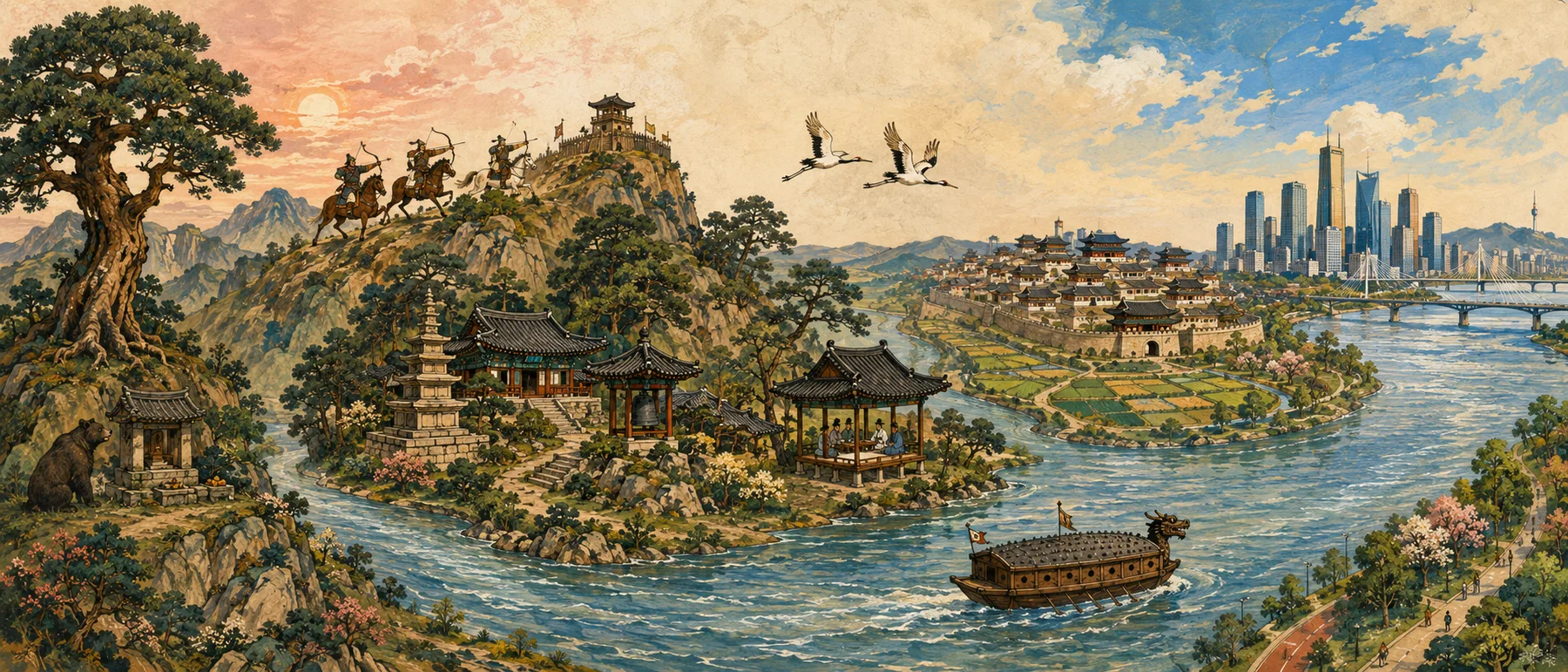
Koreans will tell you their history runs five thousand years. Not many of them could walk you through it in order. What they carry instead is a handful of images per era — a myth here, a hero there, a war, a name — and a rough sense of the shape it made on the map.
This is that mental map, laid out. Click through the eras: each one repaints the peninsula, and below it sits the cluster a Korean actually keeps for that era — not the version you’d cram for an exam.
Korea's first state, founded sometime in the 10th–7th century BCE. For most of a millennium it stands alone on the 요동 (Liaodong) plain and the Korean northwest — its inland reach is guesswork, so the border here is drawn soft on purpose.
- Gojoseon 고조선
고조선 matters less for what it did than for what it is: Korea’s first state, the root that Koreans — a people who care a great deal about where they come from — point to when they trace themselves all the way back. The founding date comes with an asterisk. The 삼국유사 (Memorabilia of the Three Kingdoms) , written in the 13th century, puts it at 2333 BCE, and Korean textbooks still print that year. Archaeology, going by when Gojoseon-type artifacts actually appear, places the real formation somewhere between the 10th and 7th centuries BCE. Both datings sit on the page together, and no one loses sleep over it.
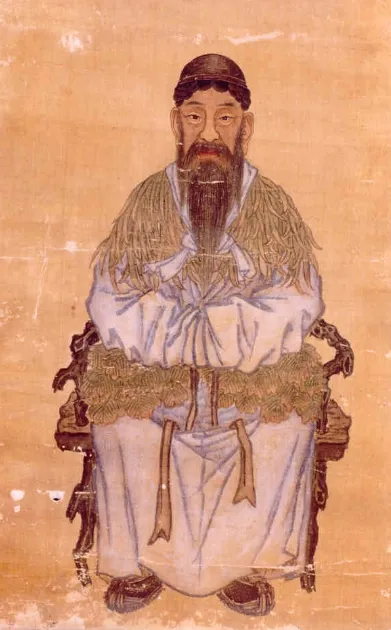
The Samguk Yusa recorded more than the date, though — it recorded the founding story. And because this is the story of where Korea begins, it’s the one stretch of the record nearly every Korean knows by heart, including the ones who never cared for history. It goes like this.
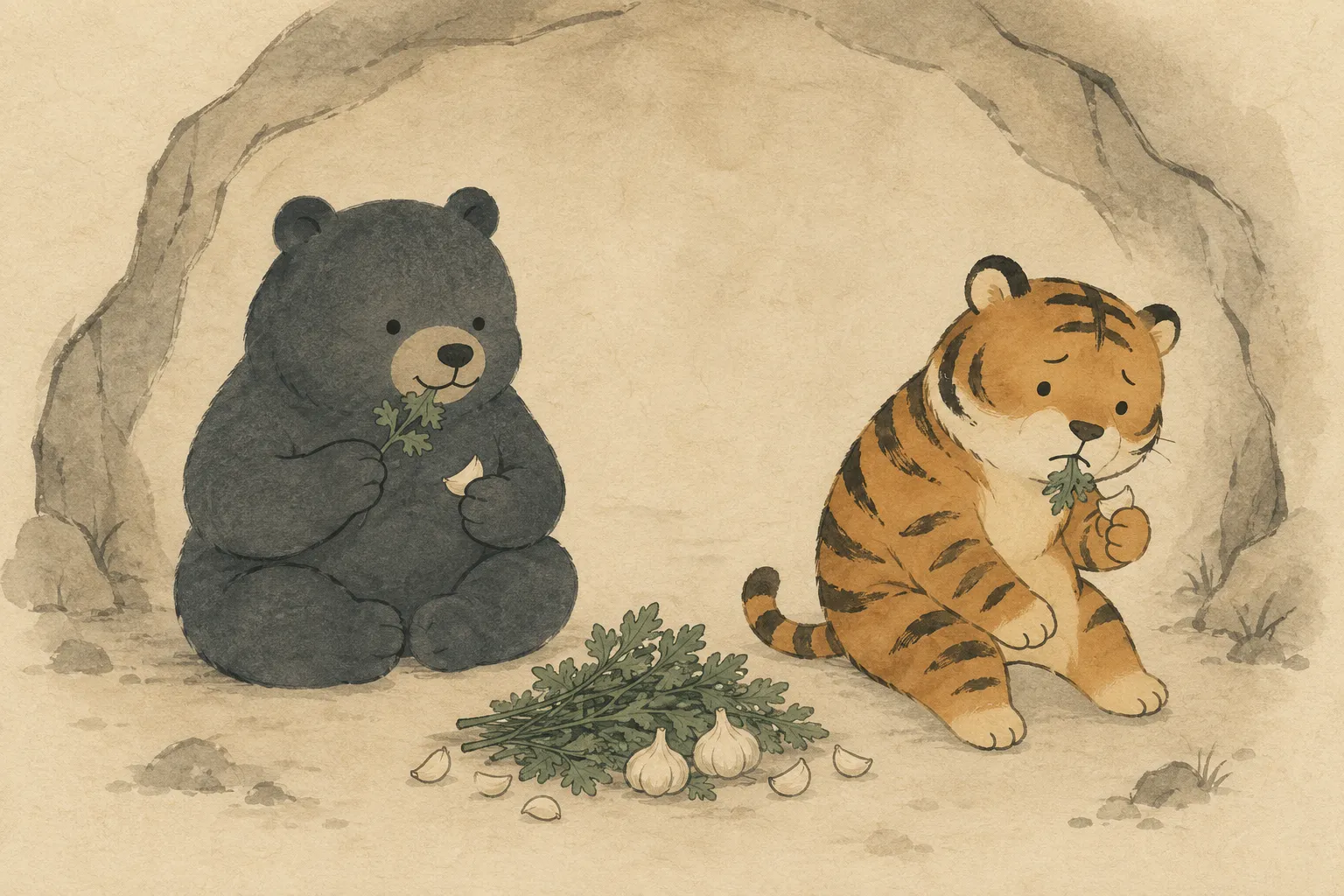
환웅 , son of the sky-god 환인 , comes down from heaven wanting to live among humans. A bear and a tiger come to him with the opposite wish — they want to become human. He sets a test: stay inside a cave, out of the sunlight, eating nothing but 쑥 (mugwort) and 마늘 (garlic) . The tiger can’t last and walks out. The bear endures, and becomes a woman — 웅녀 (bear-woman) . She and Hwanung have a son, 단군왕검 , and Dangun founds Gojoseon and rules it.
What brought Hwanung down in the first place — and the principle he is said to have governed by — was 홍익인간 (to broadly benefit all humankind) . It made for a clean origin for a national ideal, and it outlasted the kingdom by some margin: 홍익인간 is, to this day, the guiding aim written into the Republic of Korea’s education law.
Which leaves you with one quietly useful thing decoded. In the oldest story Koreans tell about themselves, mugwort and garlic are the endurance food that turns a beast into a person — a faint mythic charge still riding under two ingredients no Korean recipe will ever pause to explain. That’s about all you need.
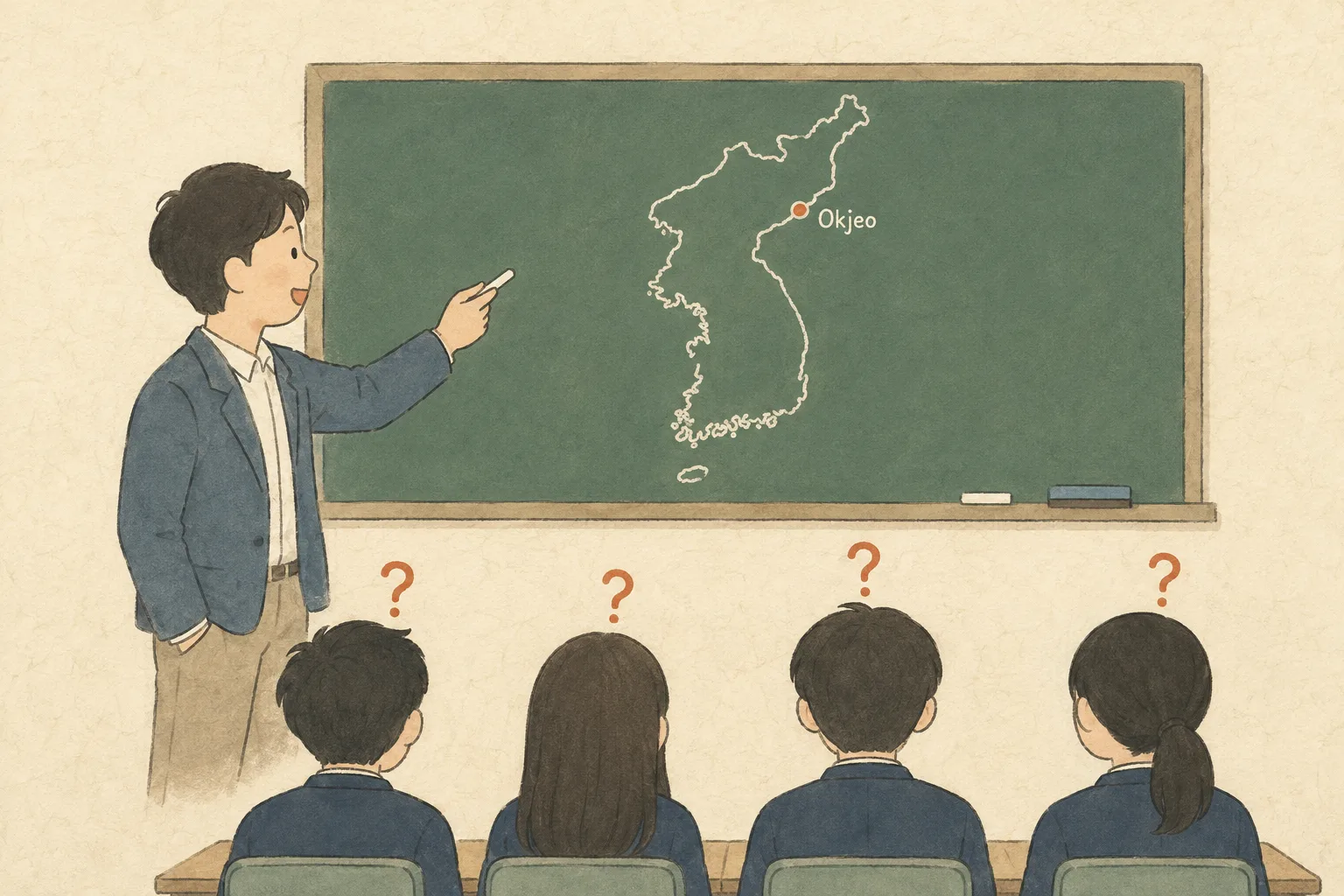
Calling these “states” is generous. They were tribal confederations — clusters of clans under a paramount chief, not kingdoms with a king who could tax you and draft you. Korean students meet them as a list — 부여 , 고구려 , 옥저 , 동예 , and the three Han down south (삼한 (Three Han) ) — and learn a sentence or two about each: how it was run, what it produced, a marriage or burial custom, the name of its harvest festival. Then it all evaporates by the next exam.
The one that sticks is Goguryeo, because it’s the only one that grew into a real kingdom. The rest are trivia. Television agrees — this period is almost never dramatized, the lone exception being Jumong (2006), set at Goguryeo’s founding. 주몽 is run out of Buyeo, heads south, and starts his own state; that single arrow, Buyeo → Goguryeo, is the load-bearing fact. Unless you’re sitting the national history-proficiency exam, that is genuinely all you need.
The rest is below, if you’re curious — the fragmentary chart Korean students actually memorize, then forget.
| 부여Buyeo | 고구려Goguryeo | 옥저Okjeo | 동예Dongye | 삼한Samhan | |
|---|---|---|---|---|---|
| Politics | a king plus four animal-named chiefs (마가·우가·저가·구가 maga·uga·jeoga·guga) ruling the 사출도 sachuldo † | a king kept in check by the 제가회의 jega hoeui † — a council of chiefs | chiefs only (읍군 eupgun, 삼로 samno); no king | chiefs only (읍군 eupgun, 삼로 samno), same as Okjeo | priest (천군 cheongun) and chief (신지·읍차 sinji·eupcha) kept apart — see 소도 sodo † |
| Economy | farming and herding | raiding; the land was too poor to live off | salt and seafood (it’s coastal) | the short bow, the pony, sealskin | rice — and iron in Byeonhan |
| Society | live retainers buried with the dead (순장 sunjang); levirate marriage | levirate marriage; the groom lived at the bride’s house (서옥제 seook-je); 1책12법 ilchaek sibibeop † | family communal burial; child brides raised in-house (민며느리제 minmyeoneuri-je) | 책화 chaekhwa (trespass fines); marrying outside the clan | — |
| Rite to Heaven | 영고 Yeonggo (12th month) | 동맹 Dongmaeng (10th month) | — | 무천 Mucheon (10th month) | seasonal rites — sowing in the 5th month, harvest in the 10th |
The four that need a word:
- 사출도 — Buyeo split into four districts fanning out from the king’s central domain: the “four roads out.” Each was held by one of the four animal-named chiefs (horse, cow, pig, dog). The king kept the middle; the chiefs kept the quarters. A confederation drawn as a map.
- 제가회의 — Goguryeo’s council of great chiefs. War, succession, death sentences — settled by the assembled nobles, not the king alone. Each chief kept his own retainers, ranked 사자·조의·선인 saja·joui·seonin. The king led; the council kept him in check.
- 1책12법 ilchaek sibibeop — steal one, repay twelve. A property law remembered mostly for how harsh it was.
- 소도 — among the Han, a sacred precinct under the priest 천군 cheongun. State power stopped at its edge: a criminal who fled inside was beyond reach. Physical proof that here, ritual and rule were separate offices.
One framing note, since the marriage and burial customs are the part that reads as exotic from outside: they weren’t quirks. 형사취수제 (levirate marriage) — a man marrying his late brother’s widow — or 민며느리제 (child-bride rearing) only look strange until you remember that in a tribal society every person was labor and a potential soldier. Each was a way to keep that manpower, and the children it would go on to produce, inside the group.
By this point the shape is changing. Having passed through their earlier stages — first as 군장국가 (chiefdom states) , then as 연맹왕국 (league kingdoms) — a handful of these polities begin to harden into genuine 고대국가 (centralized ancient states) : kings, laws, standing armies, borders worth fighting over.
How each one began comes down to us as a founding myth in the Samguk Yusa, and it’s that mythic version — not any sober archaeological account — that Koreans first meet as children. Four kingdoms, four origin stories. Three of the four hatch, literally, from an egg.
Goguryeo. 주몽 is born from an egg to the daughter of a river god, touched by sunlight. He grows into an archer without equal — Jumong is said to mean exactly that — and, hounded by the princes of Buyeo, flees south; at an uncrossable river, fish and turtles rise to bridge it for him. On the far bank he founds Goguryeo. (History remembers him as King Dongmyeong.)
Baekje. The one that breaks the egg streak. 온조 is a son of Jumong himself. When an older half-brother turns up from Buyeo to inherit Goguryeo, Onjo leads his own followers south and founds a kingdom near present-day Seoul. Baekje’s royal line, in other words, runs straight out of Goguryeo’s — two of the three kingdoms, one bloodline.
Silla. Village elders in the south-east find a white horse kneeling beside a well; it flies off and leaves behind a great egg shaped like a gourd. The boy inside is named 박혁거세 — his surname 박 (gourd) for the shell he came in, his given name meaning roughly “he who brightens the world.” He becomes the first ruler of the state that grows into Silla.
Gaya. In the far south, nine chiefs hear a voice from the sky telling them to dig and sing. A golden box lowers on a red cord with six golden eggs inside; the first boy to hatch becomes 김수로 , king of Geumgwan Gaya, and the other five take the remaining Gaya states. Golden eggs, so the surname is 김 (gold) — the same Kim borne by about one in five Koreans today.
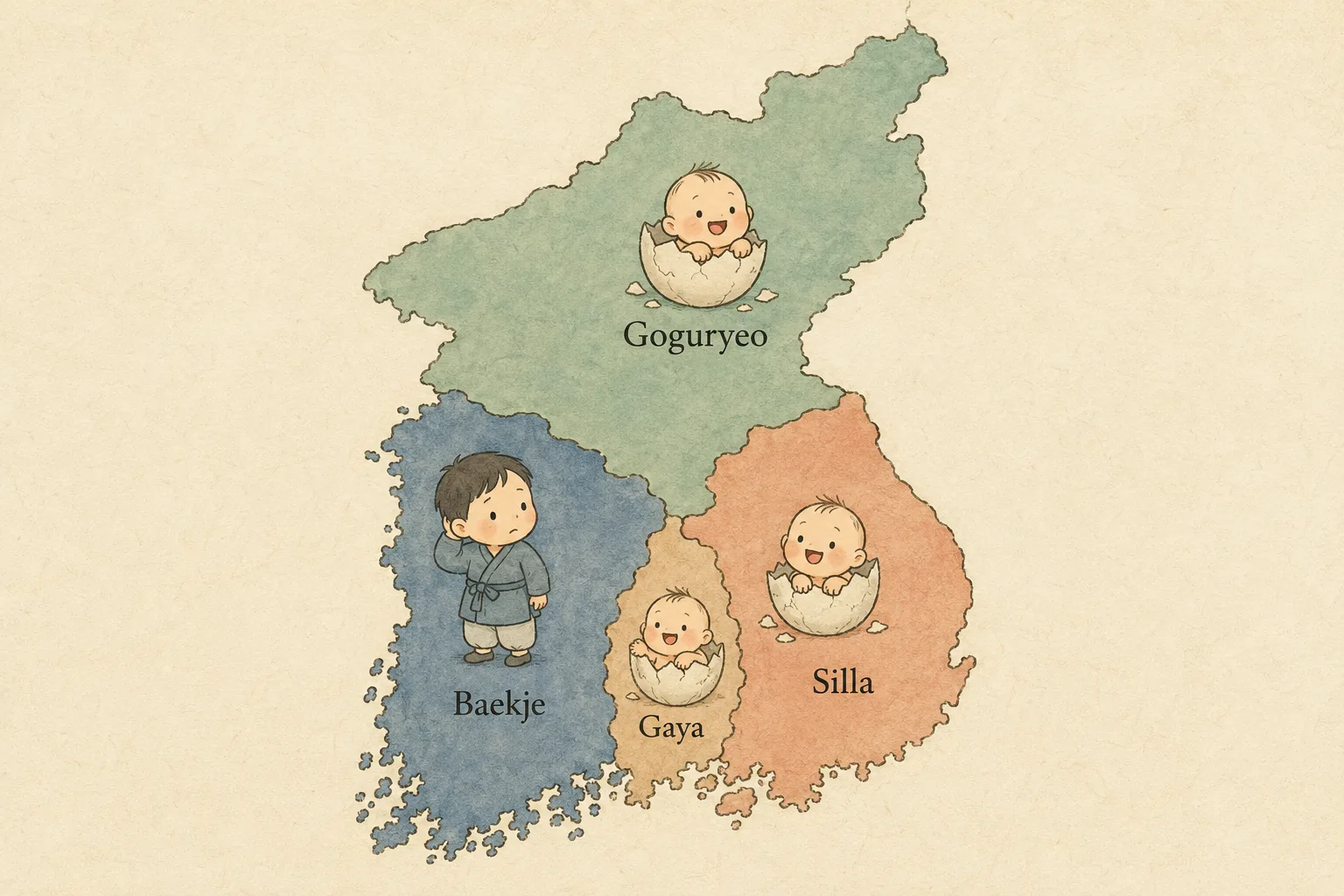
The stories blur with age; few Koreans could recite them straight past grade school. What stays is the founder of each — Jumong, Onjo, Bak Hyeokgeose, Kim Suro, one per kingdom. Name the kingdom and the founder still surfaces. That’s the layer that lasts.
The Three Kingdoms didn’t peak together. They peaked in turn — Baekje first, then Goguryeo, then Silla — and each golden age lines up with one thing on the map below: who held the 한강 (Han River) valley.
Why fight so hard over a river basin? Because the Han opened onto the sea, and the sea led to China — the center of gravity for the whole region. Hold the Han and you could trade and deal with the Chinese courts directly; lose it and you were shut out of the action. Baekje, which grew up right on the Han, reached that height first.
From here it runs deep. The blow-by-blow rise and fall of each kingdom is well past what anyone keeps from daily life — this is textbook-and-exam territory. So the Baekje story below is for the genuinely curious; skim or skip it without guilt.
One bit of scaffolding first: across its seven centuries Baekje was pushed steadily south, moving its capital twice — so its history falls into three phases: a first peak up on the Han, a forced regrouping, and a late revival.
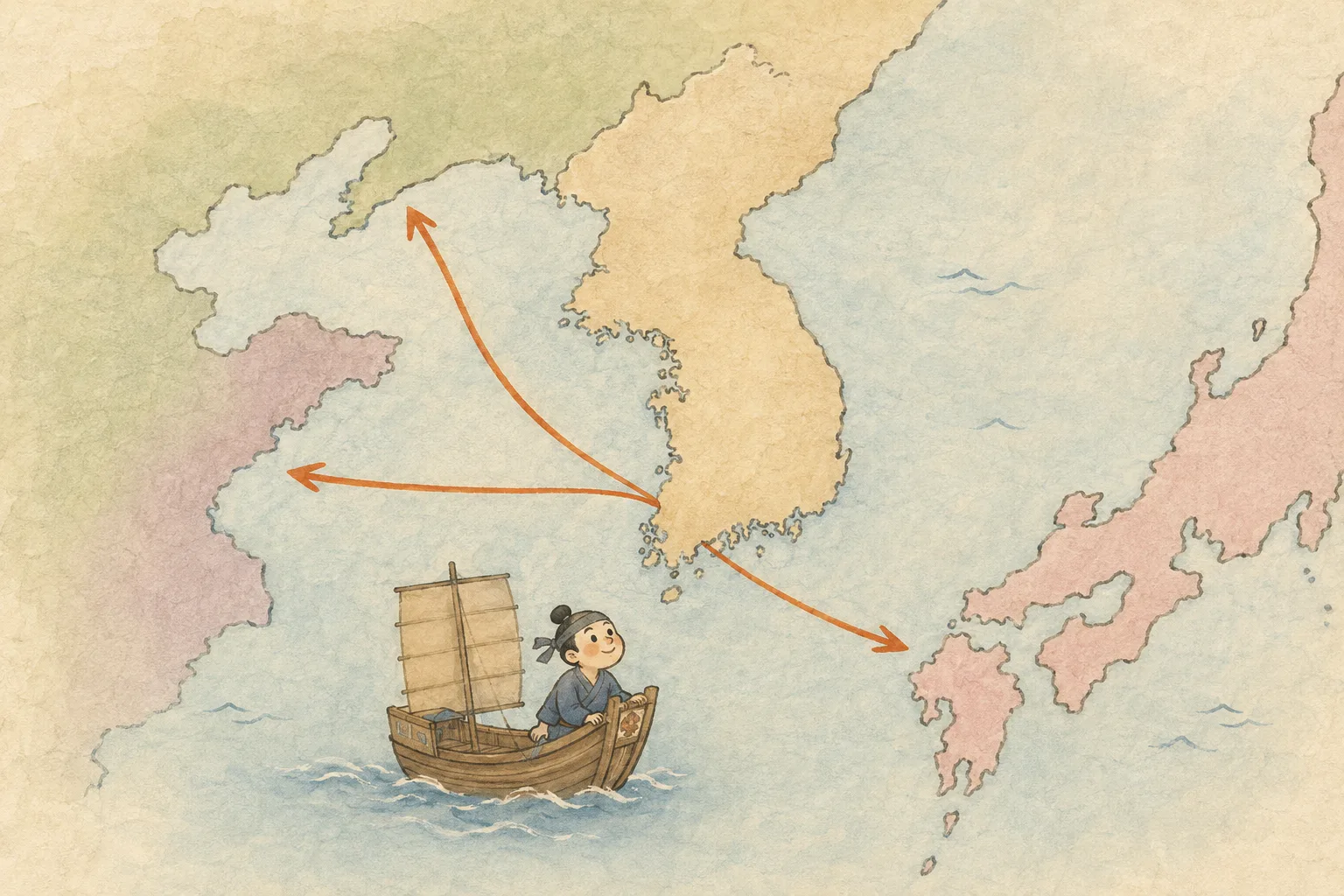
Baekje begins where the last panel left off: 온조 , Jumong’s son, plants it on the Han — rich farmland, iron-working brought from the north — and absorbs the small Mahan states around it. By the 3rd century King Goi has the frame of a real state: a sixteen-grade officialdom with color-coded court robes, and a published law code. The 4th century is the summit — under 근초고왕 Baekje sweeps the west coast, marches north, and kills Goguryeo’s King Gogugwon beneath the walls of Pyongyang, while its ships work the sea lanes to China’s 동진 (Eastern Jin) and on to Japan and Gaya. This was Baekje at its most outward-facing — a sea power as much as a land one, seeding the courts of Japan with scholars, artisans, and Buddhism. Chinese histories even place Baekje footholds across the water in 요서 (Liaoxi) and 산둥 (Shandong) on the Chinese coast; Korean textbooks still draw those reaches as bold arrows fanning off the peninsula — though how real and lasting the Chinese-coast holdings were is something historians keep arguing over. It doesn’t hold: in 475 Goguryeo’s King Jangsu drives south, Hanseong falls, King Gaero is killed, and Baekje loses the Han.
The court flees south under King Munju, into cramped, defensible hills. Royal power nearly drowns in the feuding of the great families, until King Muryeong steadies it early in the 6th century: he posts royal kin to twenty-two regional outposts (the damno) to grip the provinces again, and reopens brisk ties with Liang and the other southern Chinese courts. His brick-vaulted, Chinese-style tomb still survives.
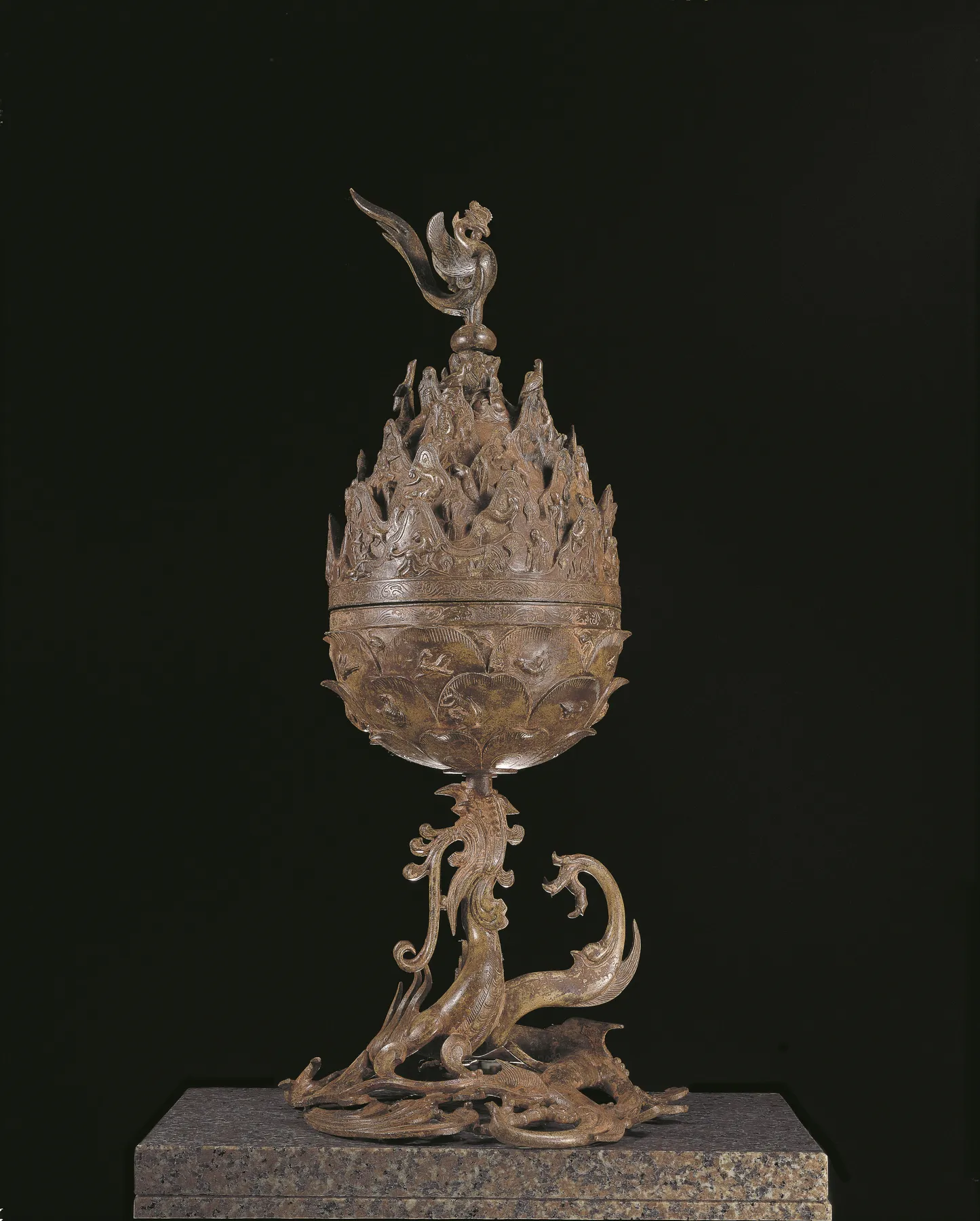
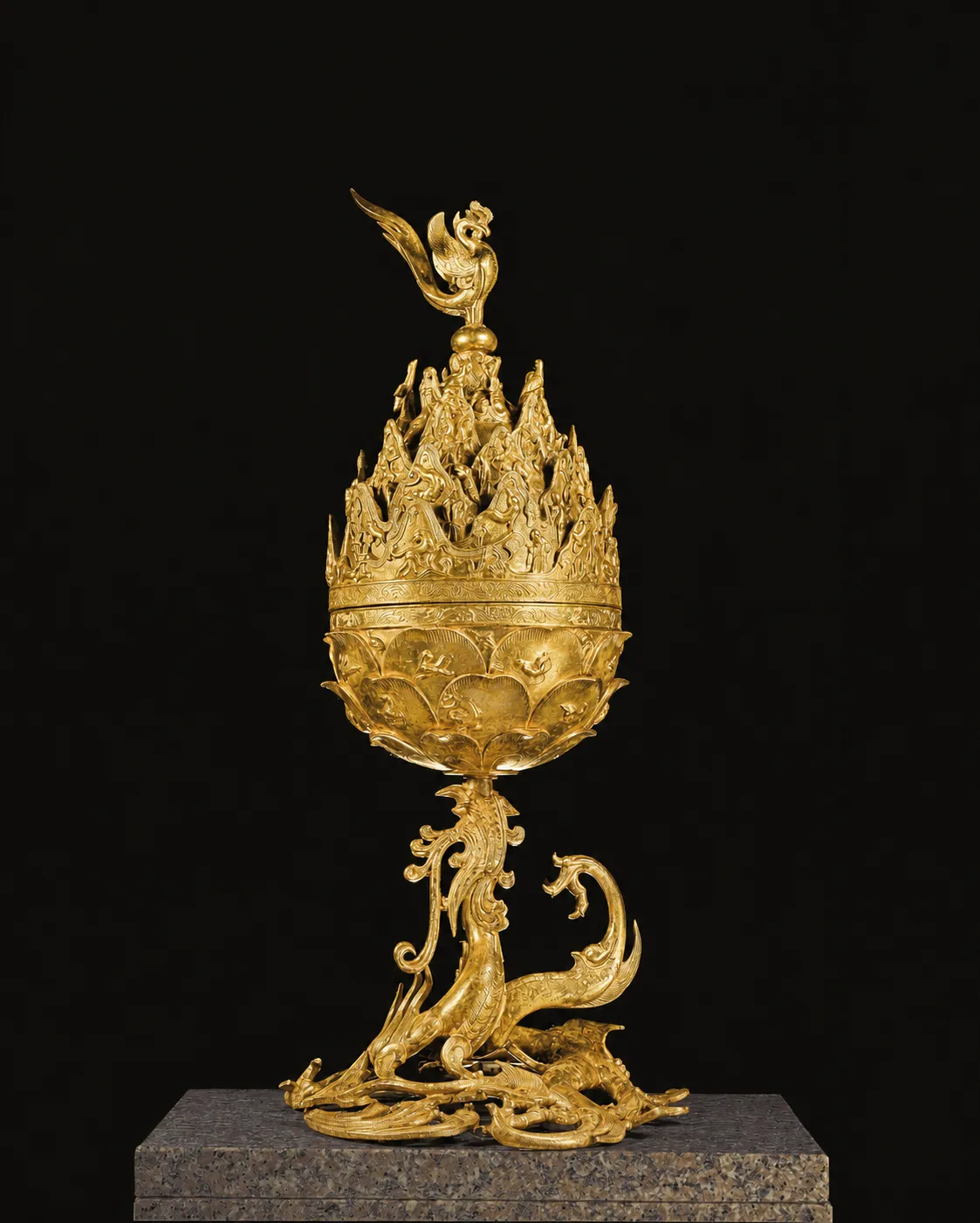
King Seong moves the capital once more and renames the kingdom 남부여 (Southern Buyeo) , reaching back to the old northern lineage for prestige. He retools the administration, pushes Buddhism, and, allied with Silla, briefly wins the Han valley back — before Silla turns on him, kills him at the battle of Gwansan, and the Han is lost for good. What Baekje is remembered for, though, is refinement: the most elegant of the three cultures — the gilt-bronze 금동대향로 (Great Incense Burner) , the stone pagodas of 미륵사 and 정림사 — polish it shipped straight into Japan’s Asuka age.
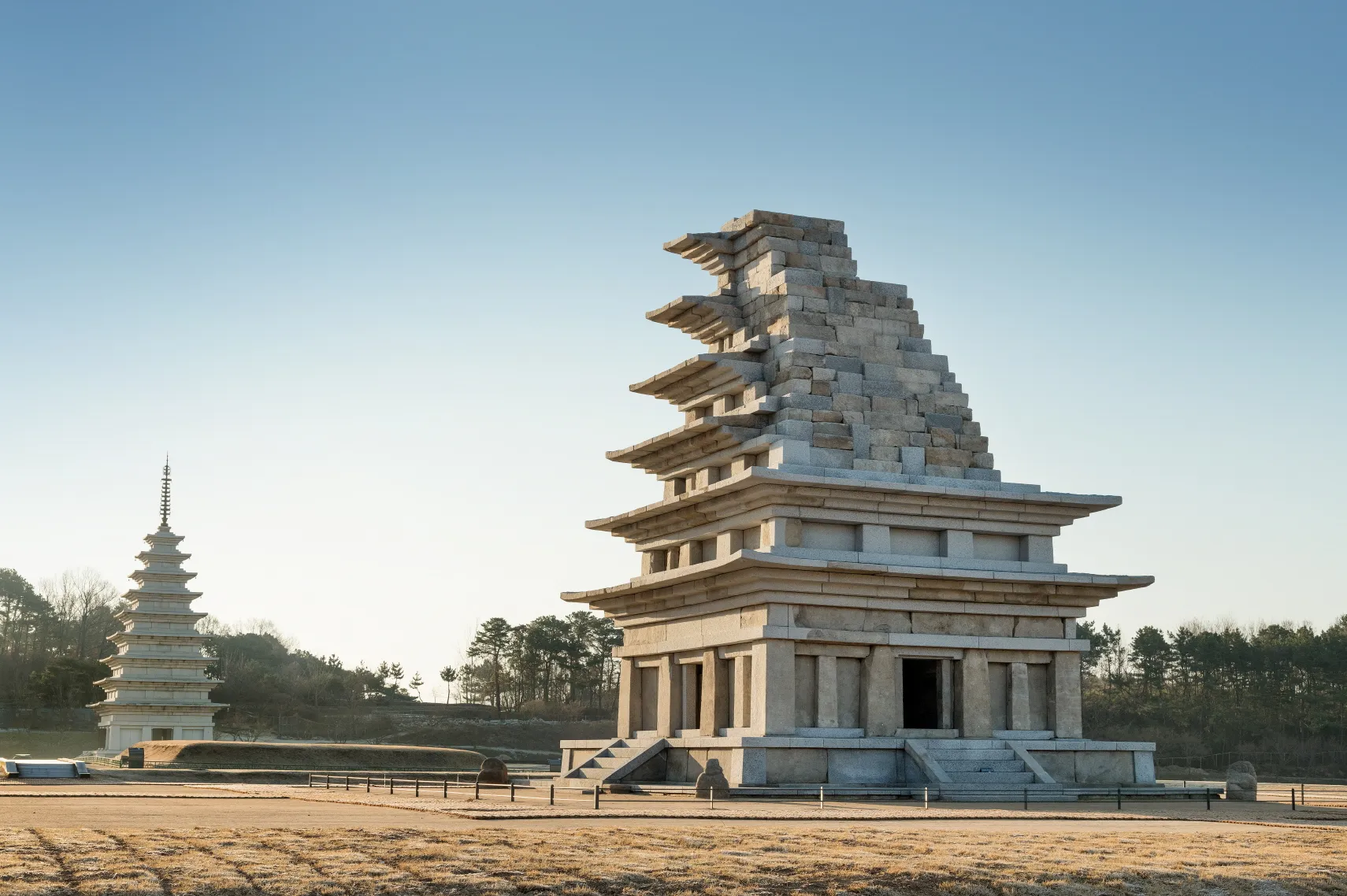
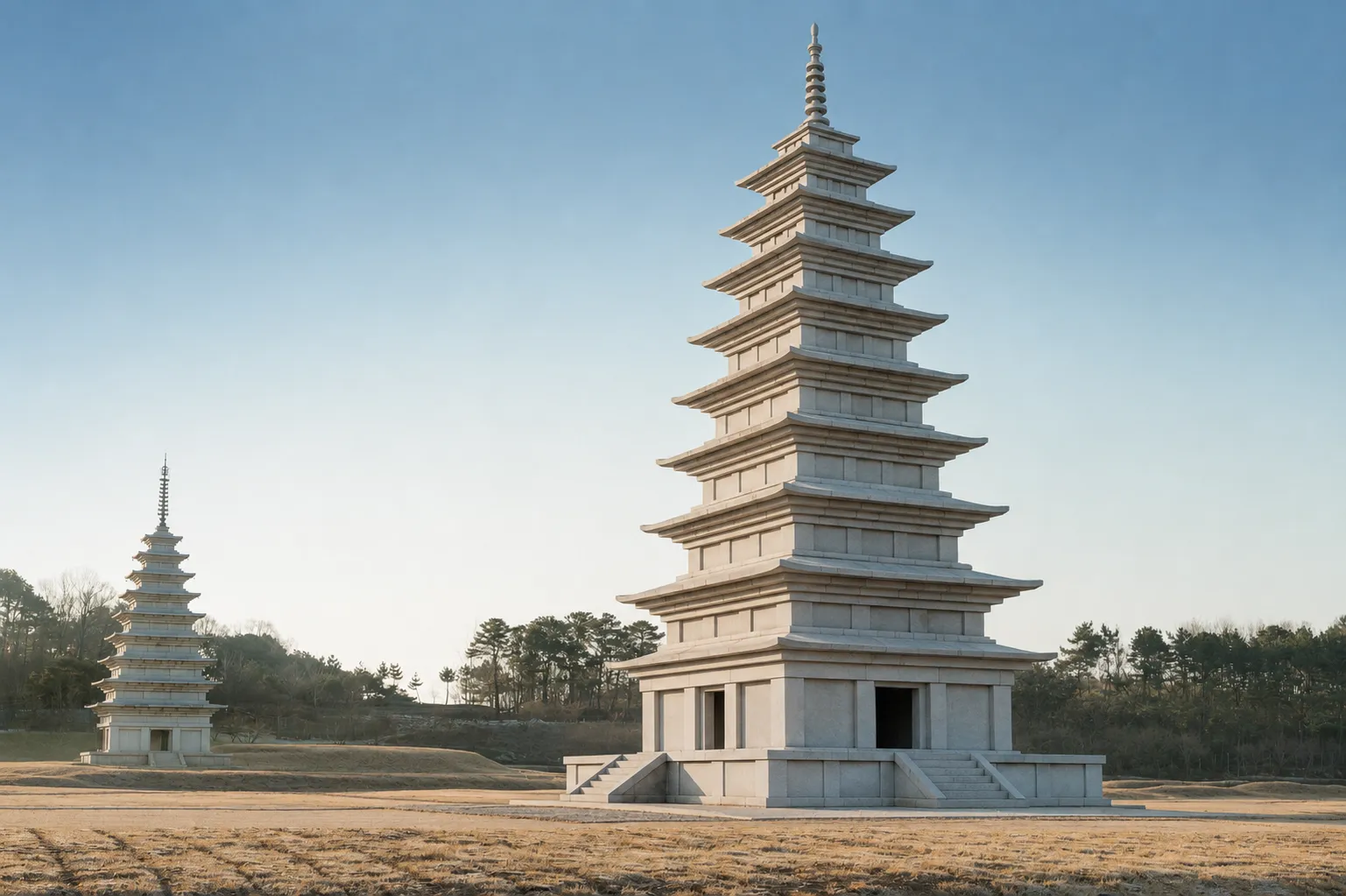
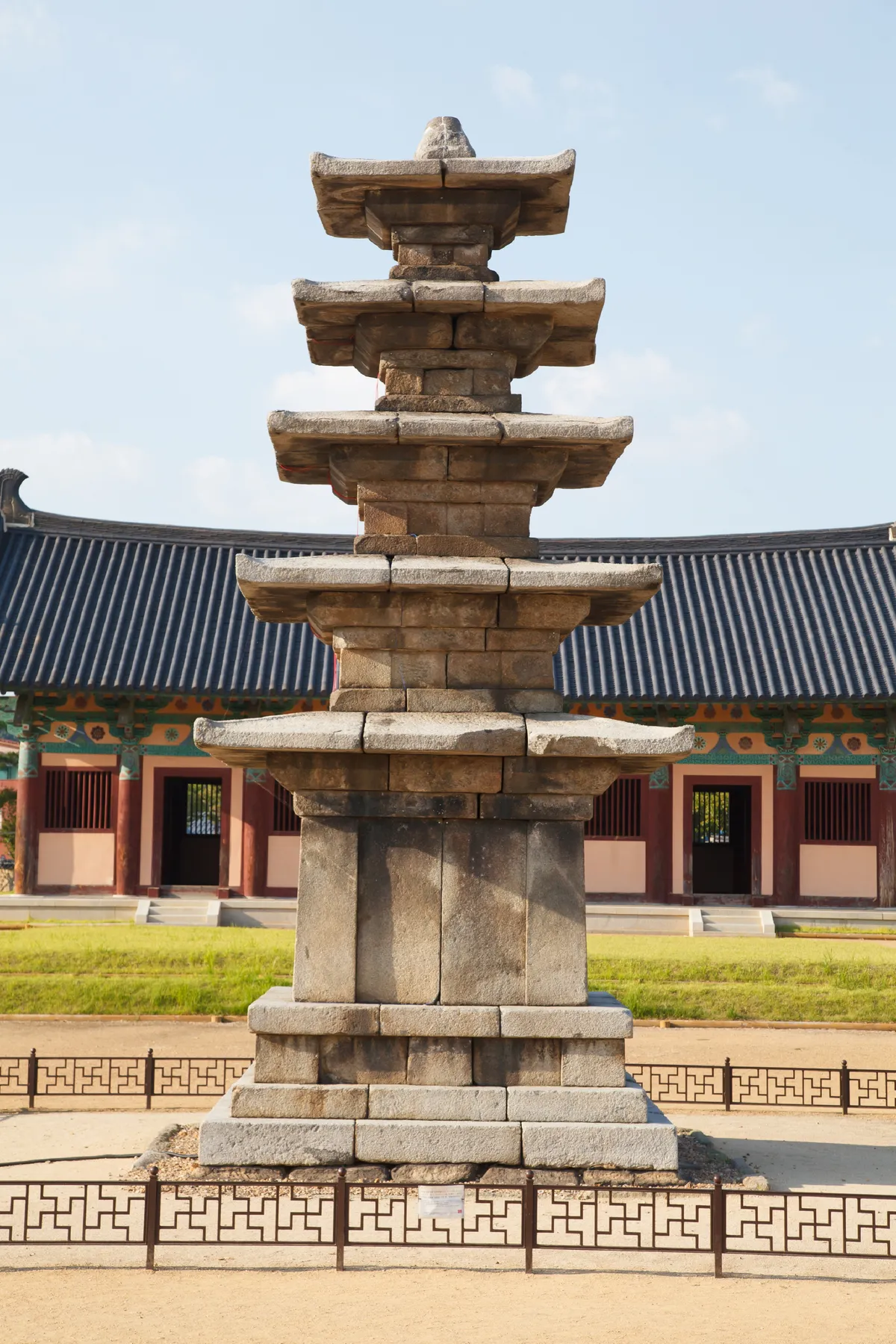
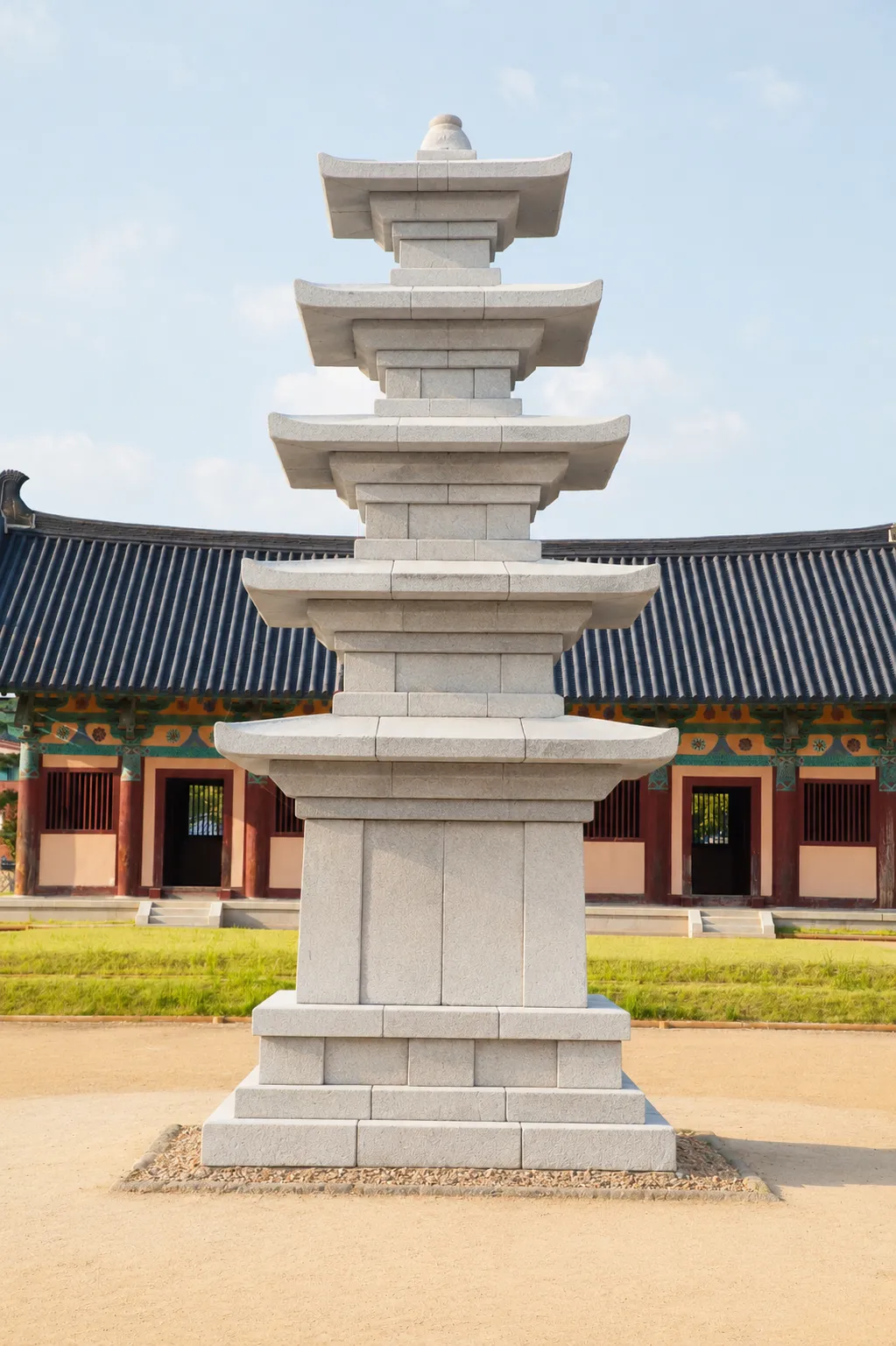
King Uija opens strong, stripping Silla of some forty fortresses, then loses his footing amid court intrigue. In 660 the joined armies of Silla (Kim Yu-sin) and Tang China (Su Dingfang) close in; Baekje’s general 계백 makes a last, hopeless stand with five thousand men at 황산벌 , Sabi falls, and a 700-year kingdom ends. A revival rising — Boksin, Docheom, and the general Heukchi Sangji behind the prince Buyeo Pung — fights on from Juryuseong, but the allied fleet breaks it at the Baek River. Baekje is finished.
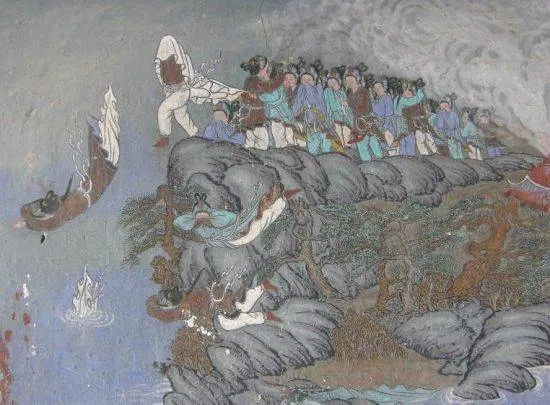
고구려 is the kingdom Koreans get romantic about — the big northern power that held 만주 (Manchuria) and went toe-to-toe with China.
The old chronicles get specific about the people, too, and the portrait is oddly warm: every village, after dark, gathered to sing and dance; they walked so briskly they seemed to be running; they kept clean, and they married for love — the groom’s family sent only pork and wine, never a bride-price, and anyone who took payment for a daughter was thought shameful. Koreans read that and see a lively, quick, good-humored people — and, only half-joking, the first source of the national 빨리빨리 (hurry-hurry) .
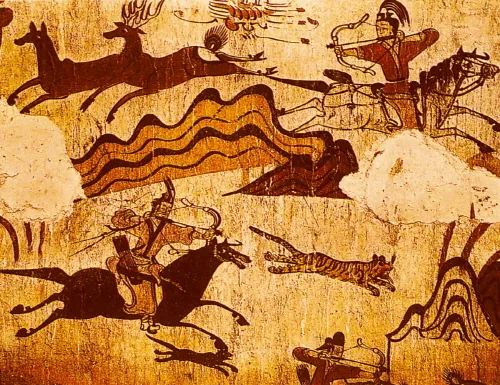
They were feared archers, too. Goguryeo bows were prized across the region, and the kingdom’s tomb murals — the 수렵도 (hunting scenes) — show riders twisting in the saddle to loose arrows at fleeing game. So when Korea runs away with the archery medals at every Olympics, more than a few Koreans think, quietly, of 고구려 — the old marksmen’s nerve, inherited.
Same caveat as the others, though: the blow-by-blow below is the deep end, for the genuinely curious.
Like 백제 , 고구려 moved its capital twice — Jolbon to Gungnae to Pyongyang (all three are on the map). But the first move came so early, almost at the founding, that capitals don’t cut its story cleanly. Four acts do it better: building the state, the peak, the long wars with China, and the collapse.
고구려 starts where the founding myth left off: 주몽 , run out of 부여 , sets up at Jolbon. Over the next few centuries it hardens from a league of five tribes into a real kingdom — 태조왕 binds the tribes together and pushes the borders out, and in the 4th century 소수림왕 installs the machinery of a centralized state: a written law code, Buddhism as the state religion, and a national academy, the 태학 (royal academy) .
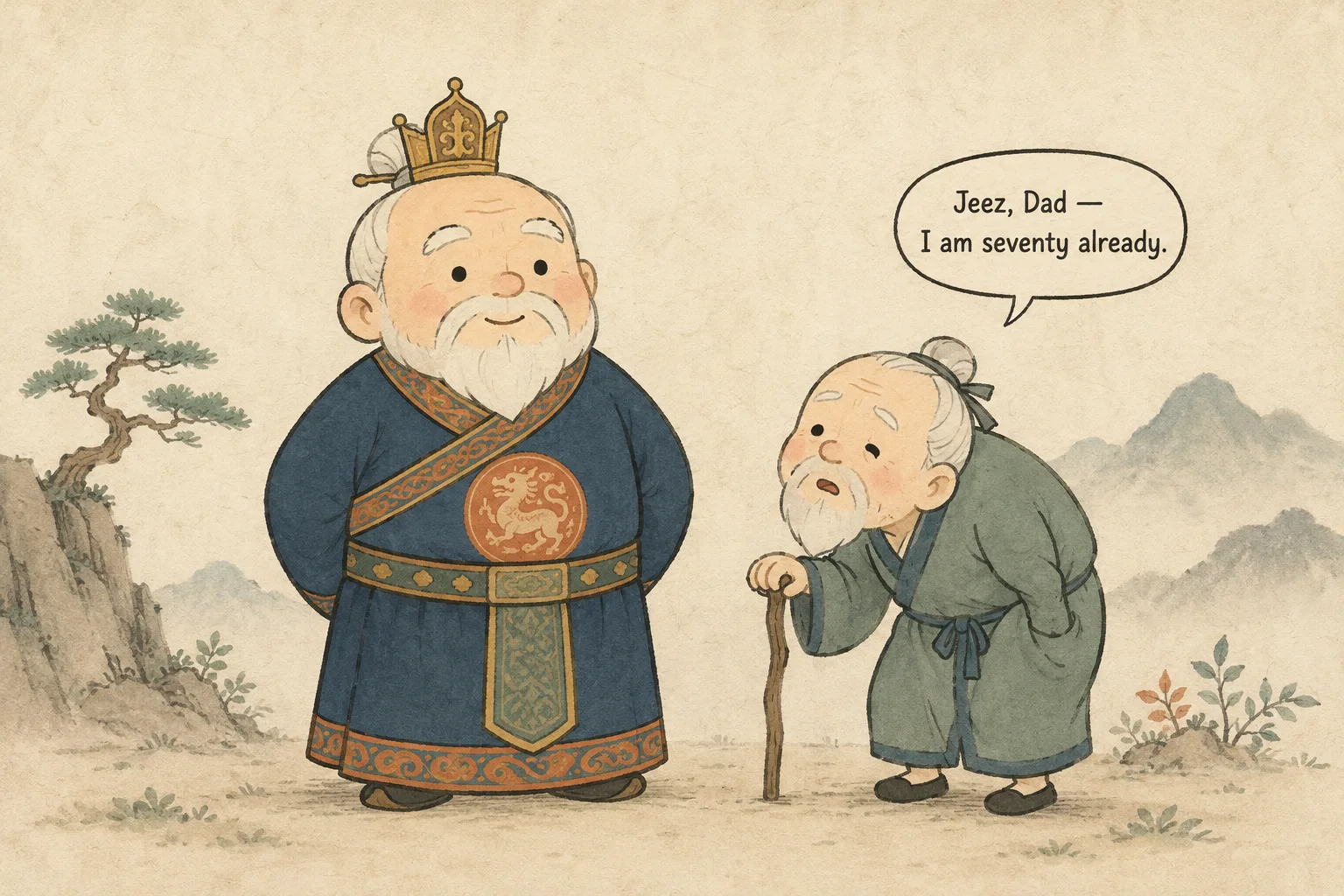
This is the century that dominates how Koreans picture 고구려 . 광개토대왕 (Gwanggaeto the Great) — the name literally means “the broad expander of territory” — swallows much of 만주 (Manchuria) , and runs his own era name, 영락 (a quiet declaration that he was no one’s vassal, an equal of the Chinese emperors). When 신라 begs for help, he sends his army south and crushes the 왜 (Japanese raiders) . His son 장수왕 — the “long-lived king,” who reigned nearly eighty years — moves the capital down to Pyongyang, turns the kingdom’s face south, takes 백제 ‘s Hanseong in 475, and pushes the border to the middle of the peninsula. The high-water mark.
Then China reunifies, and for a century 고구려 is the wall it keeps breaking against. Against Sui: in 612 general 을지문덕 lures a vast invading army deep, then destroys almost all of it at the Salsu river — the 살수대첩 (Battle of Salsu) , still shorthand for a lopsided rout. Against Tang: after the strongman 연개소문 seizes the government, Emperor Taizong invades in person — and is turned back at the siege of 안시성 , where the defenders under 양만춘 hold the fortress and break the whole campaign.
What outside armies couldn’t do, the inside did. After 연개소문 dies, his sons turn on one another and the ruling class splinters. A divided 고구려 can’t hold: the 신라 –Tang alliance closes in, Pyongyang falls, and in 668 the largest of the Korean kingdoms is gone — eight years after 백제 , leaving 신라 to inherit the peninsula.
For most of this story 신라 has been the small one in the corner. The southeastern latecomer: last of the three to harden into a kingdom, slowest to take up Chinese letters and Buddhism, boxed away from the sea lanes to China by the other two. Which makes the one fact every Korean keeps about 신라 the surprising one — it won. The backwater outlasted both rivals and took the peninsula.
How the runt came out on top is the spine of this era, and it runs on three things: a late but relentless catch-up, a social order rigid enough to aim the whole kingdom one way, and — when muscle wasn’t enough — a diplomatic gamble that paid off and haunts in equal measure.
Start with the order, because it’s the piece of 신라 students never shake: 골품제 (bone-rank system) . Everyone was born into a hereditary grade — your “bone.” At the top, 성골 (sacred bone) , the only rank that could take the throne; below it 진골 (true bone) , the rest of the high aristocracy; then a ladder of 두품 (head-ranks) for everyone else. Your bone fixed not just the ceiling on your career but the size of your house, the cloth you could wear, the cart you could ride. Talent didn’t move you. Birth did, start to finish.
The kingdom’s other invention was its youth: the 화랑 (flower-knights) , bands of well-born young men trained together in arms, ritual, and music, who became the officer class that won 신라 ‘s wars. Their code came down from the monk 원광 as the 세속오계 (five secular injunctions) — serve your king with loyalty, your parents with filial duty, your friends with faith, and two that read like a soldier’s catechism: never retreat in battle (임전무퇴 ), and kill only with discretion. Those lines are still quoted; 화랑 itself still names everything from army units to a 2016 teen drama.
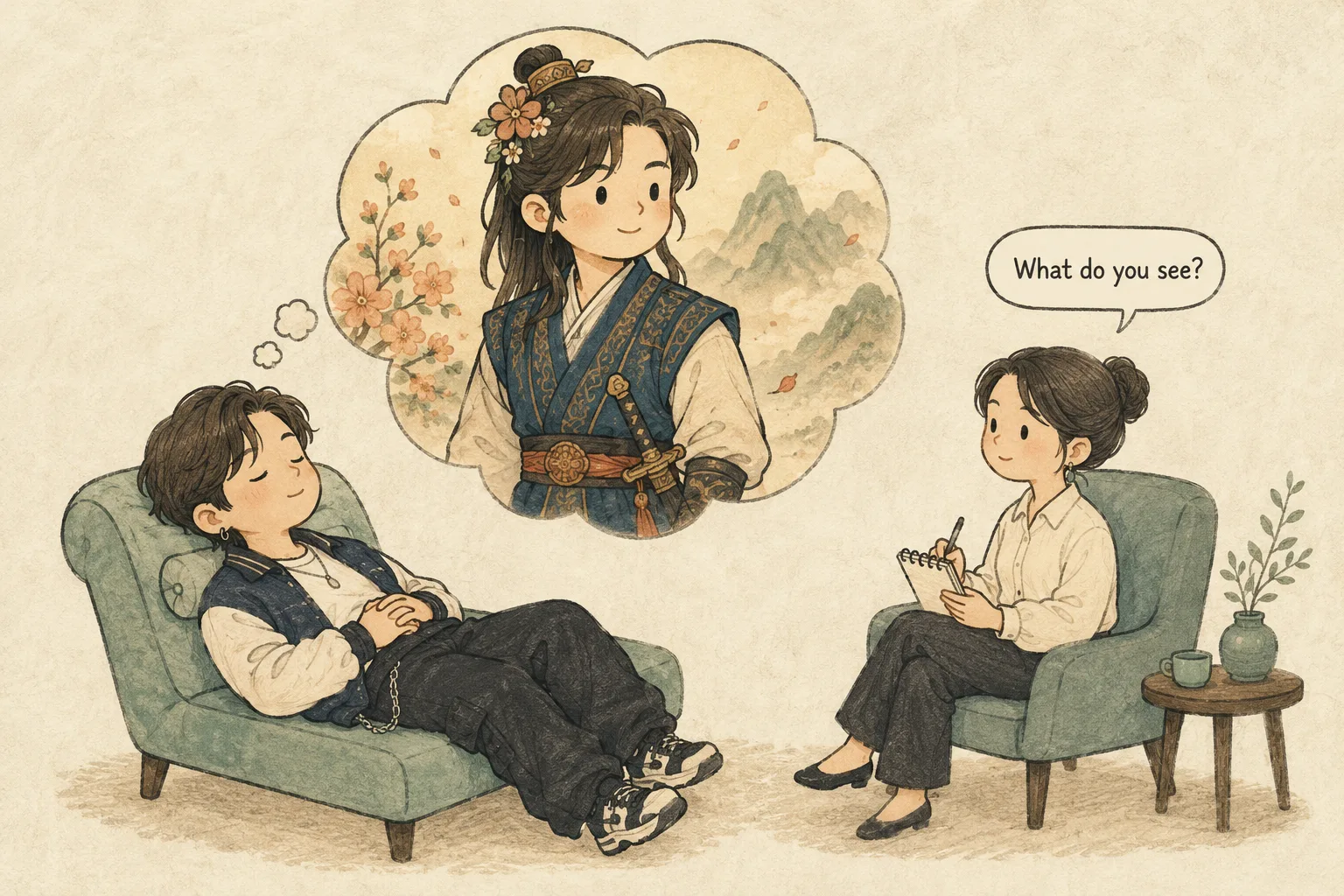
And in the 7th century 신라 did something neither neighbor would: it put a woman on the throne. 선덕여왕 (Queen Seondeok) — a 성골 at a point when the sacred-bone line had run out of men — reigned fifteen years, and is remembered less for her wars than for what she built: 첨성대 , a squat, bottle-shaped stone tower in the capital that is, by most reckonings, the oldest surviving astronomical observatory in East Asia. It still stands in 경주 . Her reign got the big-drama treatment too — Queen Seondeok (2009) ran sixty-some episodes and lodged itself in the national memory.
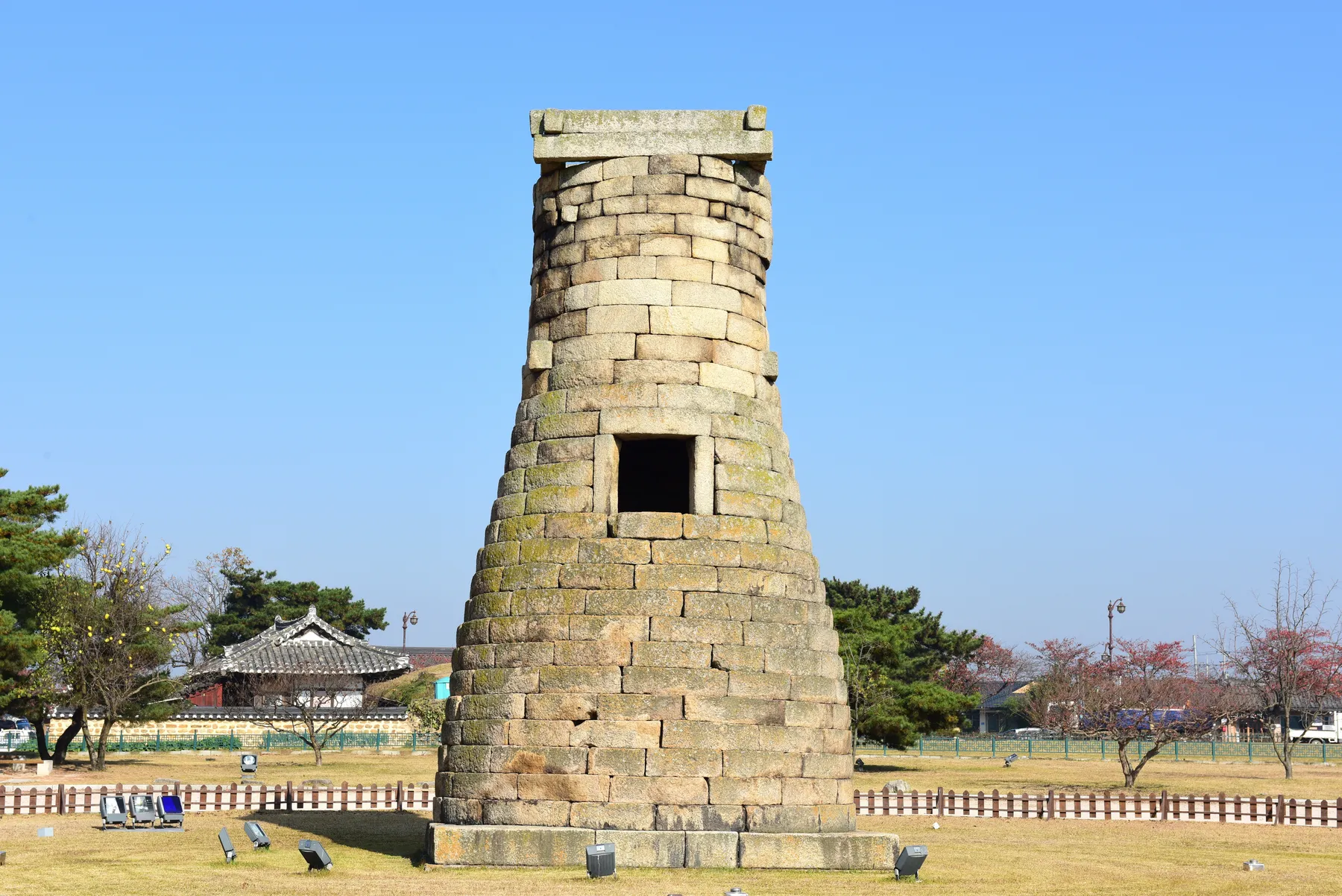
The rest is the deep end — the climb and the conquest, blow by blow — and like the others it’s here for the curious, not for the exam-free. Skim or skip.
신라 spends the early 6th century becoming a proper state, fast. 지증왕 fixes the name — the kingdom had gone by a tangle of older ones; he settles on 신라 — adopts the Chinese title “king,” bans the live burial of retainers, and sends a general to subjugate the island state of Usan — today’s 울릉도 and 독도 . His successor 법흥왕 bolts on the machinery: a published law code, ranked officials — and Buddhism as the state faith, forced through over a hostile aristocracy only after the courtier 이차돈 was executed for it and, the story goes, bled white. 법흥왕 also swallows 금관가야 , the first of the Gaya states to fall.
Look at the map: the Han valley is 신라 ‘s now. That’s 진흥왕 ‘s doing. He let 백제 pry the river loose from 고구려 — then turned on his ally, took the whole basin for himself, and left 백제 ‘s King Seong dead in the reprisal. With the Han, 신라 finally had its own door to the sea, and to China. 진흥왕 drove the borders north and east and planted 순수비 (boundary monuments) to mark how far he’d reached, turned the 화랑 into a state institution, and in 562 wiped out 대가야 — the end of 가야 for good, and the last time this map carries a fourth color in the south.
The endgame opens with 신라 on the back foot, squeezed by a resurgent 백제 . The fix was diplomatic. 김춘추 , a 진골 prince, talked his way into an alliance with Tang China — the 나당동맹 (Silla–Tang alliance) — then took the throne himself as 무열왕 , the first 진골 king once the sacred-bone line gave out. Backed by Tang’s armies and his general 김유신 — the most storied commander in the Korean canon after 이순신 — 신라 broke 백제 in 660 and 고구려 in 668. For the first time, one Korean kingdom held all three.
Except Tang had no intention of going home; it meant to keep the conquered land for itself. So 신라 turned and fought the superpower it had just used — the 나당전쟁 (Silla–Tang War) — and, improbably, won, smashing the Tang armies at 매소성 and their fleet at 기벌포 . 문무왕 , 무열왕 ‘s son, finished what his father began and drove Tang off the peninsula by 676. (He asked to be buried in the sea east of 경주 , the legend goes, so his spirit could turn dragon and guard the coast against Japanese raiders — the rock over his underwater tomb, 대왕암 , is still there.)
For one stretch of this story — and only one — there are two Korean states at the same time.
When 신라 swallowed 백제 and 고구려 , the peninsula didn’t actually come out whole. Up in 만주 (Manchuria) , where 고구려 had just died, its survivors regrouped under a Goguryeo-born general and built a new kingdom: 발해 . So for the next two centuries the map carries two: 통일신라 (Unified Silla) in the south, 발해 in the north.
Korean textbooks call the period the 남북국시대 (North–South States period) — but the name itself is surprisingly young. It was coined only in the 18th century, by the Joseon scholar 유득공 in a slim history he titled the 발해고 (Investigation of Balhae) . His charge was pointed: 고려 had inherited both 신라 and 발해 yet never troubled to write 발해 ‘s history — and that neglect, he argued, was why 고려 let the north slip and never grew into the power it might have been.
Before 유득공 took it up, no one had written a history of 발해 at all; it survived only in scraps, scattered through Chinese and Korean records. The cost of that silence still shows — even now 발해 gets only a thin chapter in the Korean school curriculum. And yet the feeling Koreans keep for it runs warm and proprietary: Dae Joyeong, a 2006 historical drama about how 발해 was founded, was a sizable hit.
As ever, the walk-through below is the deep end. Skim or skip.
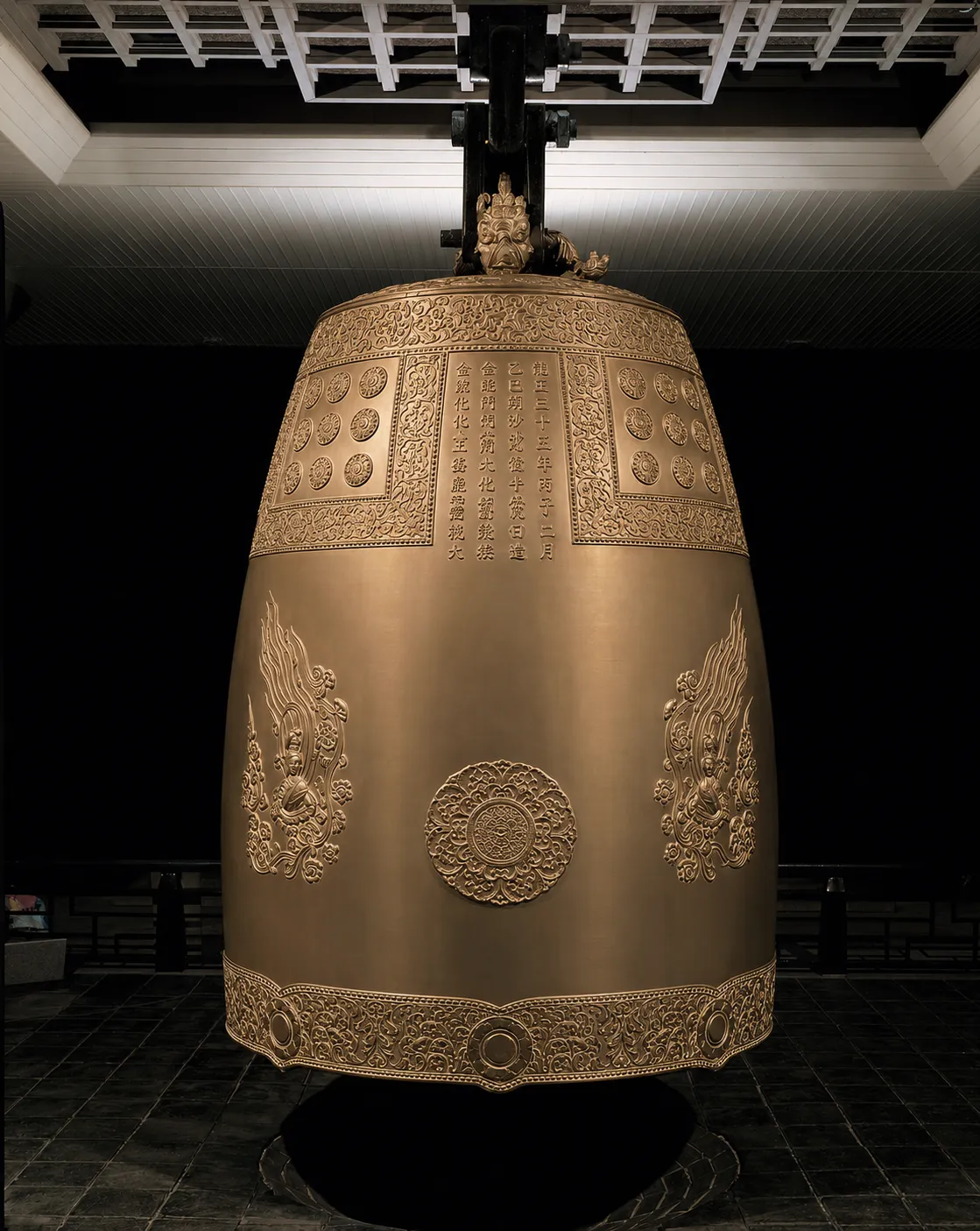
The south spent its first generation settling down: 신문왕 broke the 진골 nobles who had grown too strong during the wars, and rebuilt the country on a tidy grid of nine provinces. Then came the 8th century — the golden age, almost all of it radiating from 경주 . This is when 불국사 and 석굴암 rose on the hills above the city — the temple and the grotto-Buddha that are still the postcard image of old Korea — and when the great bronze bell, the 성덕대왕신종 (Divine Bell of King Seongdeok) , was cast.
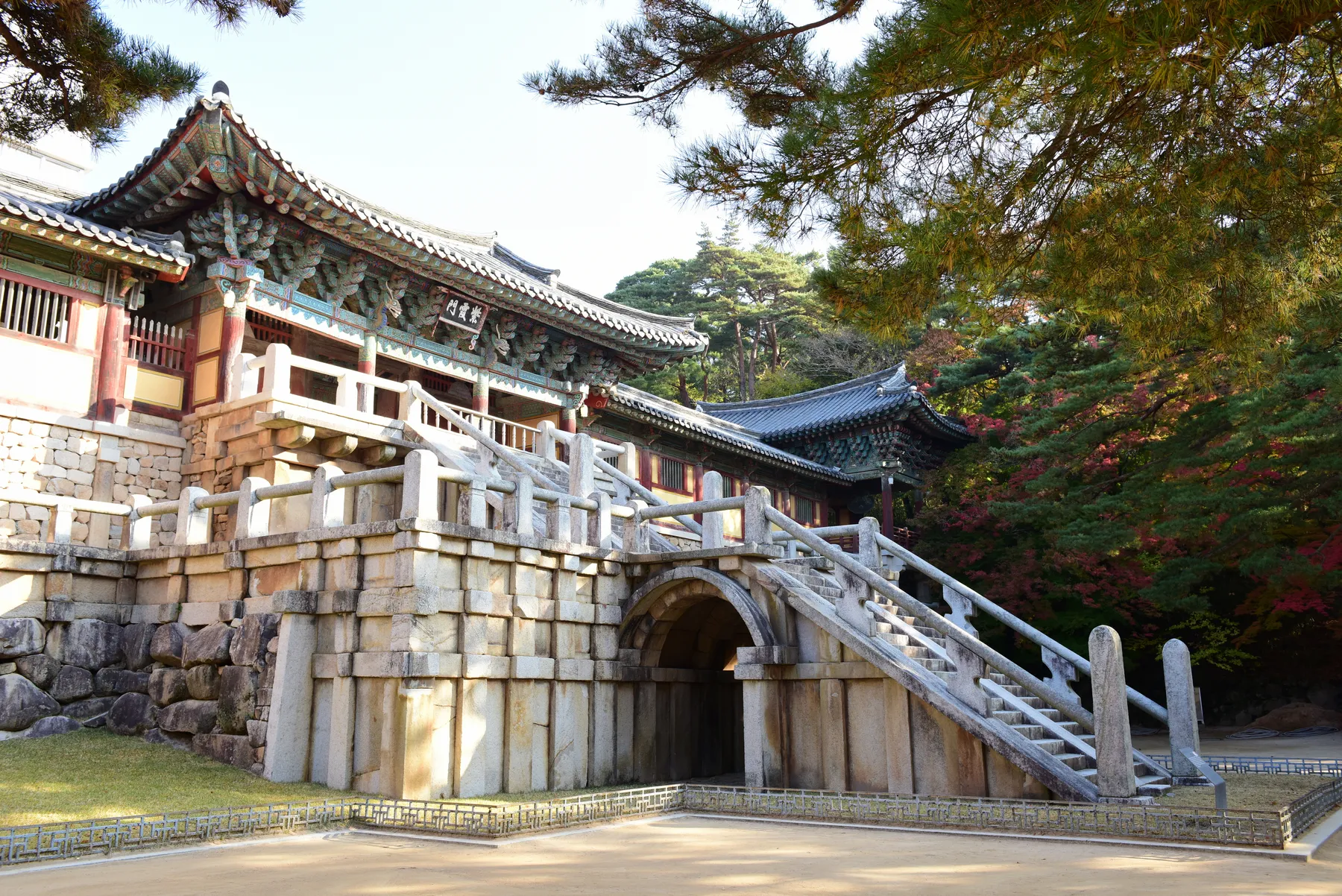
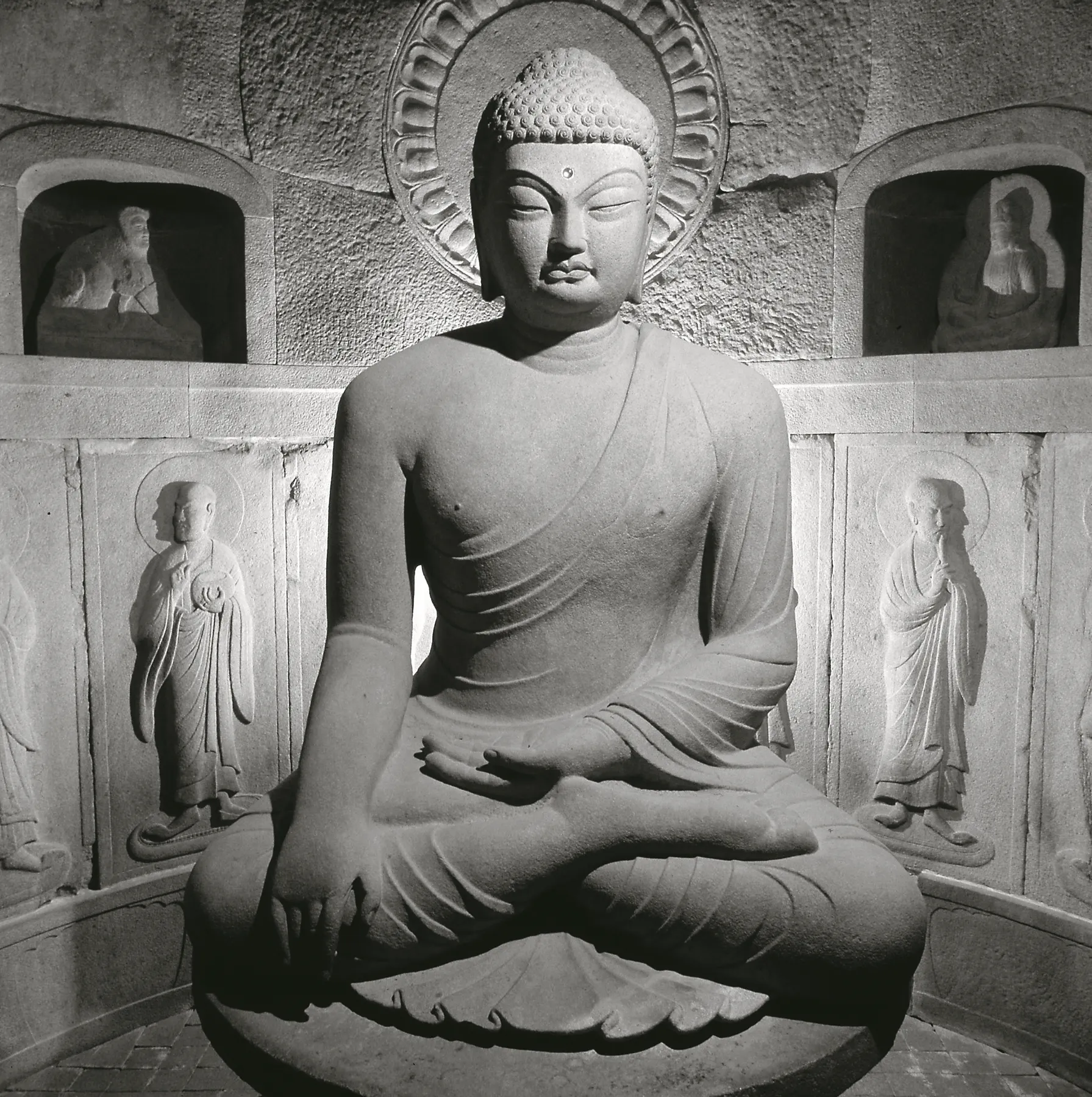
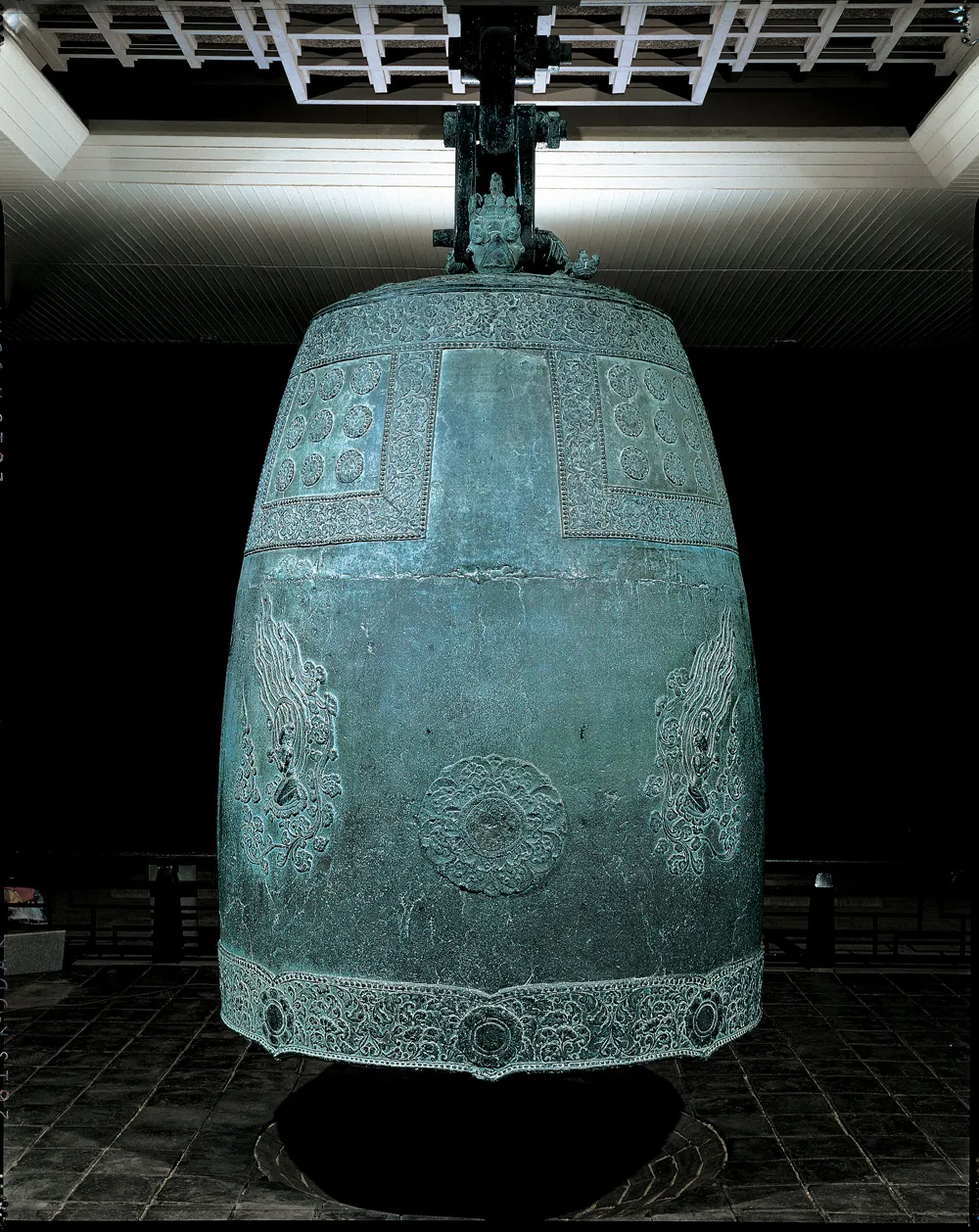
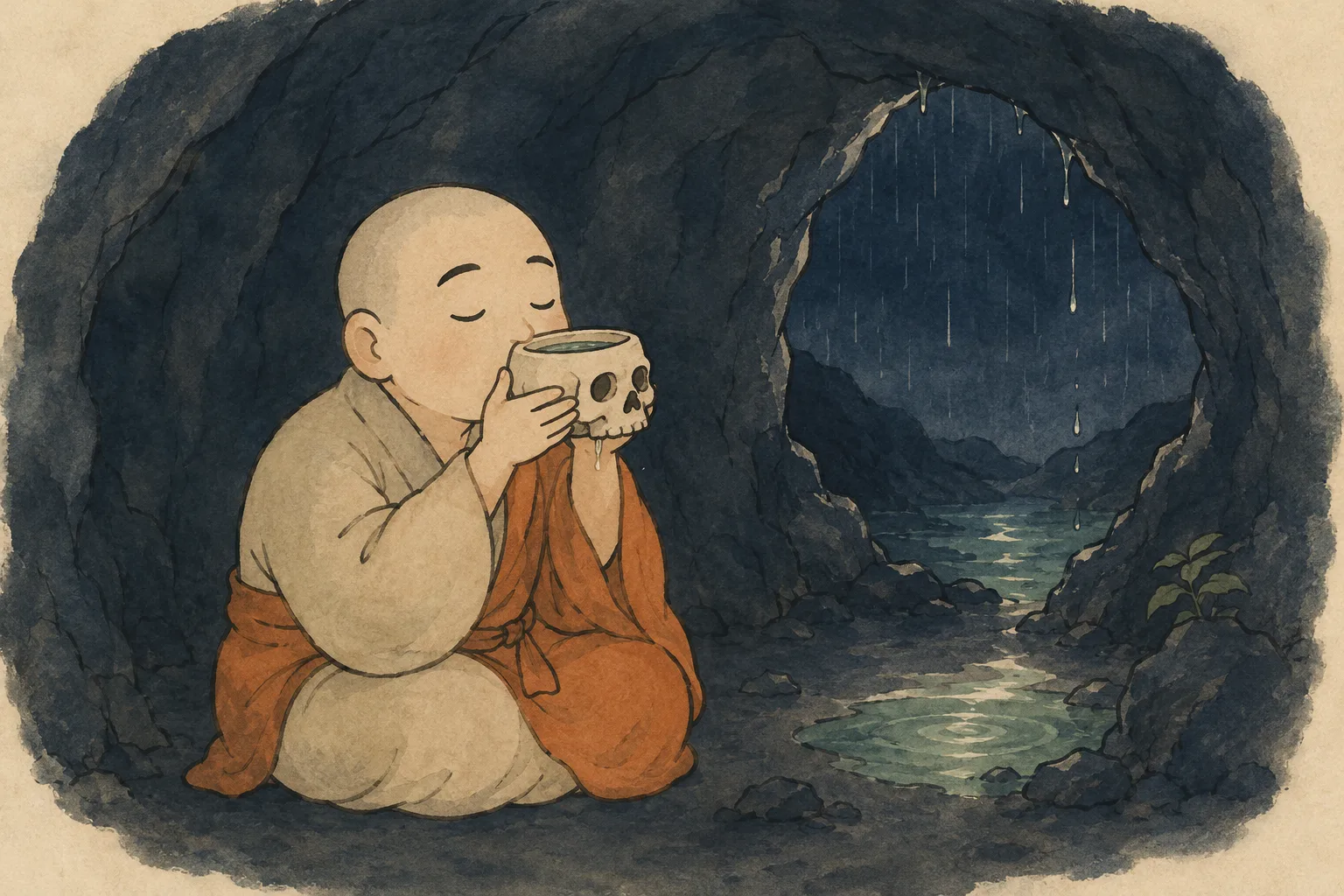
It’s also the era of two figures Koreans meet young. 원효 , the monk who — the story goes — drank gratefully from a gourd of cool water in the dark, then woke to find it had been a skull; the disgust taught him that nothing is foul or clean on its own, that 일체유심조 (everything is made by the mind) — and he turned from scholarship to carrying Buddhism out to ordinary people. And 장보고 , who built a private fleet at 청해진 on the island of 완도 and ran the sea-lanes between Tang, 신라 , and Japan — a self-made maritime warlord strong enough to meddle in who took the throne, until the court had him killed.
Then it curdles. 골품제 was still the ceiling: 최치원 , the age’s finest mind, sailed to Tang as a boy, passed their civil exam, made a name — and came home to find his 6두품 birth still barred him from the top and his reform proposals shelved. The 진골 fell to fighting each other for the crown (the 9th century burned through kings by coup), local strongmen carved out private turf, and over-taxed peasants rose in revolt. The unified kingdom was already coming apart — which is the next panel.
In the north, 발해 did the thing Koreans take quiet pride in: it picked 고구려 back up where it had fallen. 대조영 founded it at Dongmosan in 698, and the court said as much out loud — its letters to Japan styled its king the ruler of Goguryeo. At its 9th-century height 발해 held most of 만주 and the northern peninsula, governed from a ring of five capitals (the 상경·중경·동경·서경·남경 now pinned on the map), and grew prosperous enough that Tang China called it the 해동성국 (flourishing land east of the sea) . Then, in 926, it fell fast to the 거란 (Khitan) — and a stream of refugees, the crown prince among them, fled south into 고려 , folding 발해 ‘s people back into the Korean line.
The shortest stop on the slider — barely a generation — and one of the most crowded with story.
By the late 9th century the 신라 court had rotted through. The throne changed hands by assassination, the treasury ran dry, and tax demands drove the starving countryside into open revolt. Into the vacuum stepped the 호족 (regional strongmen) — provincial warlords who raised private armies and, one after another, stopped pretending to answer to 경주 .
Most Koreans know this stretch better than the centuries on either side of it, because they have watched it. Taejo Wang Geon, the 200-episode KBS series that ran from 2000 to 2002, turned the scramble to reunite the peninsula into appointment television and a national event. And its great villain outlived the broadcast: 궁예 , the warlord who founded 후고구려 (Later Goguryeo) and then, in his last years, sank into a paranoid madness — purging subordinates he claimed to catch plotting through a Buddhist mind-reading faculty he called 관심법 (mind-reading) . His on-screen lines — “Who is it? Who just made that coughing sound?” — hardened into internet memes that never went away; a generation born well after the finale knows 궁예 the meme long before it ever meets 궁예 the king.
The next time someone in the room coughs, retire the tired “bless you” and try 누가 기침소리를 내었는가 instead.
The drama took its liberties. Here’s the spine underneath — how one kingdom briefly split into three, and then closed back into one.
견훤 , a 신라 army officer of common birth, moved first. He took the rich southwest and in 900 declared 후백제 (Later Baekje) , capital at 완산주 — today’s Jeonju — pitching it openly as 백제 reborn, two and a half centuries after 의자왕 fell, with old scores to settle against the southeast. For most of the period his was the strongest army of the three.
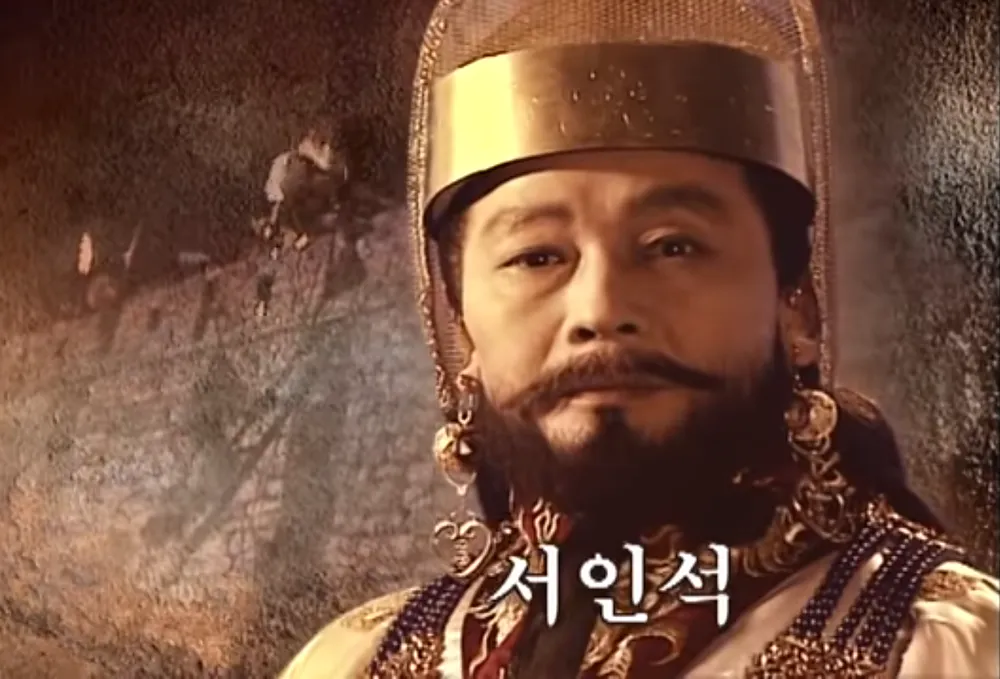
궁예 — by tradition a castoff 신라 prince, abandoned as an infant, half-blind, raised in a temple — rose as another strongman’s lieutenant, then broke away to found 후고구려 in 901, ruling first from 송악 and then 철원 (he renamed the state twice, settling on 태봉 ). Able at the start, he curdled into a tyrant: he proclaimed himself a living Buddha, and used his 관심법 to “see” treason everywhere — executing officials, and at last his own queen and sons. In 918 four of his generals had had enough; they overthrew him and pressed the crown on his ablest commander. 궁예 fled, and was killed on the road.
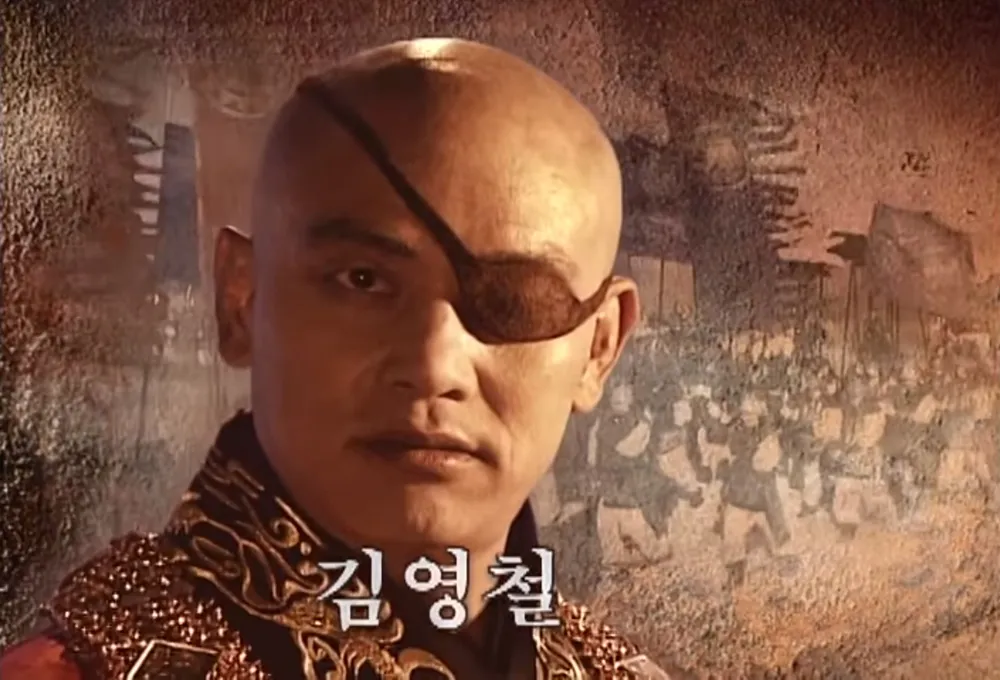
That commander was 왕건 , a 호족 of 송악 (modern 개성 ) and 궁예 ‘s finest general — he had taken 나주 , deep in 후백제 ‘s flank, by sea. He named his new state 고려 , reaching back to claim the mantle of 고구려 , and moved the capital home to 송악 . Then he won by patience. He bound the 호족 to him through marriage — he would take some twenty-nine wives, each one an alliance — and handled the dying 신라 with conspicuous gentleness. It nearly came undone once: in 927 견훤 stormed 경주 , killed its king 경애왕 , then shattered 왕건 ‘s relief army at 공산 , where the general 신숭겸 died buying his lord’s escape. But 후백제 tore itself apart: in 935 견훤 ‘s eldest son 신검 seized the throne and jailed his own father — who escaped, and defected to his old enemy 왕건 . That same year 신라 ‘s last king, 경순왕 , surrendered peacefully. In 936 왕건 destroyed 신검 ‘s army, and the peninsula was whole again — this time to stay.
If you slice Korean history into ancient, medieval, and modern, 고려 is where the medieval begins — and where the workload explodes. From here the records thicken, and a Korean student’s syllabus roughly doubles.
And yet, to most Koreans, 고려 feels oddly distant — further off than 조선 , further even than the Three Kingdoms a thousand years before it. The reason is screen time. The Three Kingdoms offer a clean three-way rivalry built for drama; 조선 left such minutely detailed records that its stories never run out, and its dramas spin off into romance, comedy, anything at all — history as mere backdrop. 고려 ’s surviving story, by contrast, is mostly elite power struggles and wars, foreign and civil — and that is dutifully what its dramas show: real events, not invented romance. The effect is faintly dry, a bit of a middle-aged-uncle air. (Tellingly: plenty of Koreans can recite every 조선 king in order; ask for 고려 ‘s and most stall after two or three.)
So take what follows lightly. The simplest thread through 고려 ‘s four and a half centuries is one question — who was actually in charge — because the answer changed hands five times, and each handover is a chapter.
고려 was built by 왕건 out of a coalition of 호족 (regional strongmen) — the warlords who had carved up the late-신라 countryside — so the first kings spent their strength taming the very men who had raised them up. 왕건 bound the strongmen with marriage and titles; two reigns later 광종 broke them, freeing the commoners they had illegally enslaved (the 노비안검법 , which gutted their private armies and tax rolls) and importing a merit exam, the 과거 (civil-service examination) , to staff the state by ability rather than birth. 성종 then laid a Confucian central bureaucracy over the top. The 호족 who weathered all this re-emerged as something new: a court aristocracy.
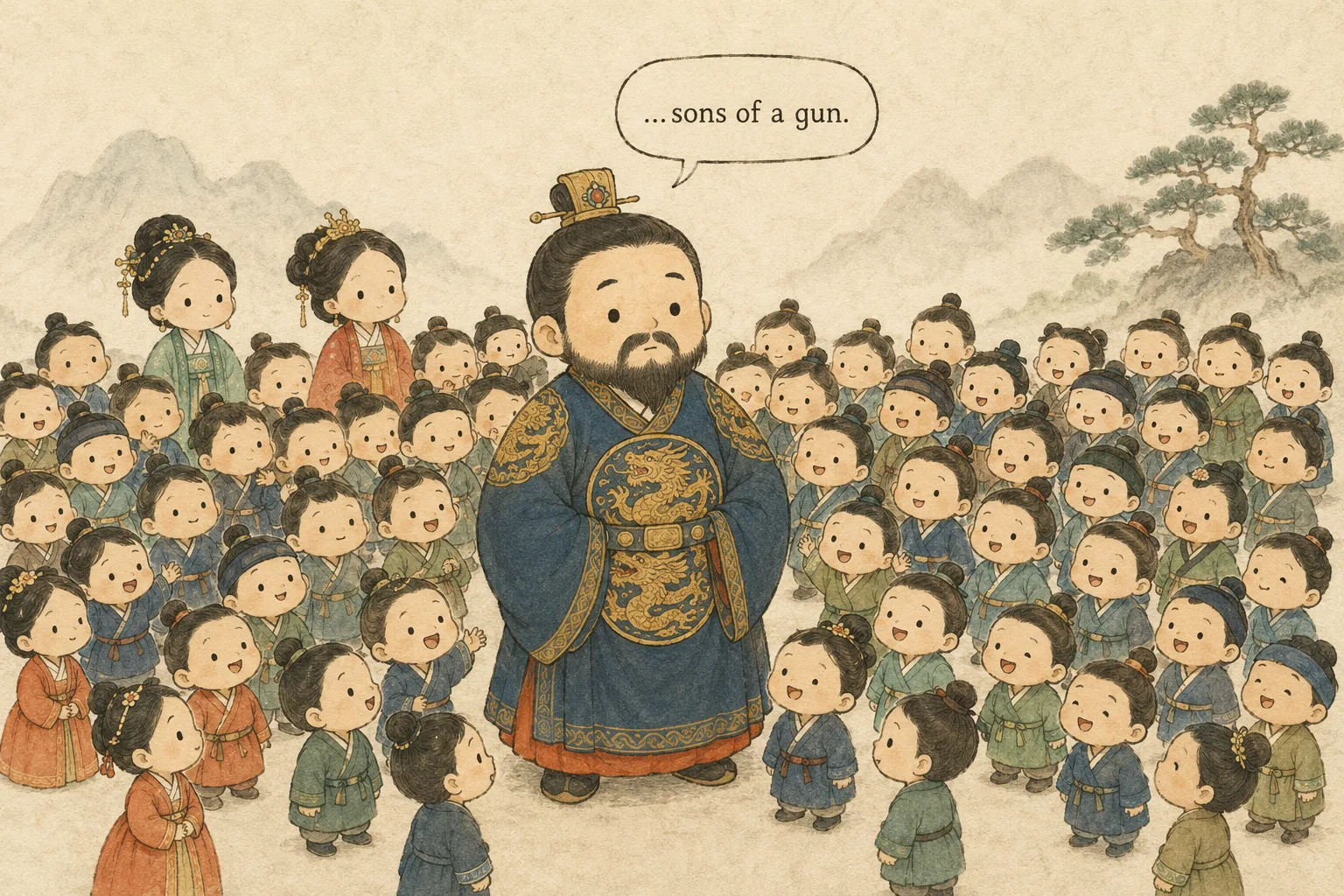
Those families calcified, over generations, into the 문벌 귀족 (hereditary civil aristocracy) — entrenched by 음서 (office handed to a high official’s son with no exam), by inheritable land, and by relentless intermarriage with the royal house. Secure and complacent, they turned on one another: 이자겸 , a royal in-law, came within reach of the throne in 1126; in 1135 the monk 묘청 pressed to move the capital north to 서경 (Pyongyang) and defy 금 (the Jurchen Jin empire) — a revolt put down by 김부식 , the same man who then compiled the 삼국사기 , the oldest Korean history still in existence. What the whole aristocracy shared was contempt for the 무신 (military officers) beneath them — and the system was built to keep them down. A 무신 could rise only so far: the senior posts were reserved for 문신 (civil officials) , who held the command even on the battlefield, with the generals serving under them. The logic was defensive — let a soldier grow too strong and he might become the next regional warlord, the very thing 고려 had spent its early years stamping out — but as the decades wore on, the grievance between civil and military only hardened. That bill came due.
In 1170 the soldiers snapped. The 무신정변 (military coup) handed power to the 무신 , who slaughtered the civil officials and ruled by raw force for a century. After a blood-soaked scramble among rival generals, one house — the 최씨 — locked the country down for some sixty years, governing through private councils and private armies while the king sat as a figurehead. From below, the crushed pushed back: the slave 만적 plotted a rising on the argument that no one is born noble or slave. And from outside came the Mongols, invading again and again from 1231, until the 최씨 court fled to the island of 강화도 and held out there for decades. It was this desperate era that carved the 팔만대장경 (Tripitaka Koreana) , eighty thousand woodblocks beseeching the Buddha to drive the invaders back.
고려 finally bent. The military government collapsed, the kingdom submitted to the Mongols’ Yuan, and for roughly eighty years it lived on as a Yuan son-in-law state — its kings marrying Yuan princesses and wearing the prefix 충 (“loyal [to Yuan]”), while Yuan offices sheared off the far north and Jeju. The new winners were the 권문세족 (Yuan-aligned magnates) — families who climbed on Mongol connections (royal in-laws, interpreters, military men), engrossed enormous estates, and bound the peasantry to them. Mongol dress, food, and hairstyles arrived with the arrangement; some 고려 fashions traveled back the other way.
As the Yuan crumbled, 공민왕 moved fast — purging the pro-Yuan 권문세족 , shedding Mongol custom, and clawing back the northern land the Mongols had taken. He leaned on a rising group, the 신진 사대부 (new scholar-officials) — exam-bred Confucians, many from provincial clerk families, fired by Neo-Confucian conviction and a grudge against the magnates’ stolen estates. Meanwhile, beating off the 홍건적 (Red Turbans) and 왜구 (Japanese pirates) threw up soldier-heroes, foremost among them 이성계 . The 신진 사대부 then split — reform 고려 from inside (정몽주 ) or scrap it for a new dynasty (정도전 ). The radicals, allied with 이성계 , won — and in 1392 고려 gave way to 조선 .
Here is the problem with 조선 : there is too much of it.
Five centuries (1392–1897), and unlike every era before it, 조선 wrote nearly all of it down. The 조선왕조실록 (Annals of the Joseon Dynasty) — the court’s running record, kept reign by reign for almost five hundred years — fills close to two thousand volumes, and it is no dry ledger of decrees. The 사관 (court historians) set down what was said and done in the palace day by day: the arguments, the sulks, who looked unwell, what the king ate, what he muttered under his breath.
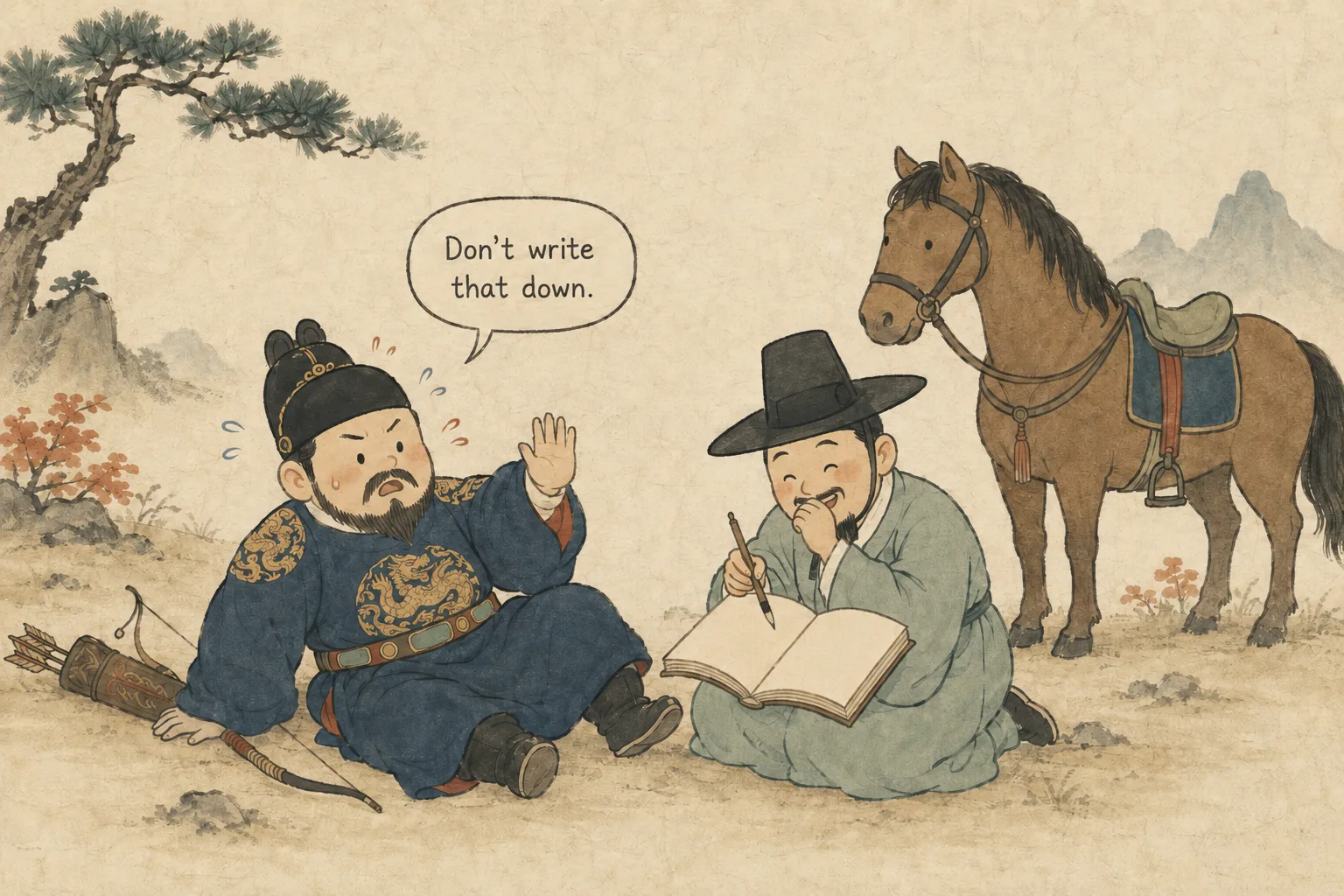
And they answered to no one — not even the king, who was barred from reading the record of his own reign, so that no ruler could shape how history would see him. The neatest proof is a small one. 태종 , out hunting, fell from his horse, got up, and told the historian beside him not to write it down. The historian wrote down the fall — and the order not to record it. Both sit in the Annals to this day.
So we know 조선 at a resolution no earlier era allows, right down to the grumbling, and Koreans live easily inside it: its kings, its scandals, its manners all feel close to hand. Many can still recite the dynasty’s twenty-seven kings in order — the names drilled in young as a sing-song chant that opens 태정태세문단세 (Taejo, Jeongjong, Taejong, Sejong, Munjong, Danjong, Sejo, and on) — and the ones who took to history can tell you, reign by reign, roughly what each one held.
Which is exactly why this panel works differently. For the earlier eras I told you to skim; for 조선 I have done the skimming for you — pulling out the handful of things genuinely worth carrying. These ones, read.
조선 opened in blood. 태조 — the 이성계 of the last panel — had barely founded it before his sons fell on one another over the succession, a pair of purges remembered as the 왕자의 난 (Strife of the Princes) . The winner was the fifth son, 이방원 , who took the throne as 태종 and ruled with an iron hand. And 태종 ‘s third son is the single most famous and most revered figure in all of Korean history: 세종 .
How revered? Korea attaches the suffix 대왕 (the Great) to almost no one. Across the entire span of its history just four kings carry it — 광개토대왕 for throwing Goguryeo across 만주 (Manchuria) , 문무대왕 for completing Silla’s unification, 세종대왕 , and 정조대왕 (later in this panel) — and since 문무대왕 and 정조대왕 are just as often called plainly 문무왕 and 정조 , the kings modern Koreans truly crown as “the Great” come down to two: 광개토대왕 and 세종대왕 .
Foreigners usually know 세종 for one thing: he invented 한글 (the Korean alphabet) , designing a writing system from scratch so that commoners locked out of Chinese characters could finally read and write. That alone would have secured him — but it was almost a side project. Working through his hall of scholars, the 집현전 (royal academy of worthies) , 세종 drove leaps across nearly every field a state stands on at once. The concrete ones worth holding onto: the world’s first standardized 측우기 (rain gauge) (1441); the self-striking water clock 자격루 , built by the engineer 장영실 , a man of low birth he promoted purely on talent; the 칠정산 , the first calendar to compute the heavens from Seoul’s own longitude instead of Beijing’s; the 농사직설 , a farming manual built on Korean soil and weather rather than imported Chinese texts; and, in the north, the 4군 6진 (Four Forts and Six Garrisons) , which his generals pushed clear to the 압록 (Yalu) and 두만 (Tumen) rivers — the border of Korea you still see on the map today. He even ran what may be the earliest national opinion poll on record, canvassing some 170,000 people before he reformed the land tax.
The golden age curdled fast. 세종 ’s grandson 단종 came to the throne as a boy — and his own uncle, 수양대군 , took it from him: seizing power in a coup, ruling as 세조 , and at last having the deposed boy-king sent the 사약 (royal poison) and killed. (The officials who plotted to restore 단종 and were executed for it, the 사육신 (six martyred ministers) , remain Korea’s byword for loyalty.) And yet, coldly judged, 세조 was an able king: he wrenched power back from the ministers to the throne, rebuilt the military and land systems, and ordered the compiling of the 경국대전 (the dynasty's foundational law code) that would govern 조선 for the next four centuries. That double face — ruthless usurper, effective ruler — is exactly why he never leaves Korean screens, drawn now as a magnetic schemer, now as a heartless villain.
세조 ’s seizure left its mark on the shape of power. To offset the entrenched 훈구 (meritorious establishment) — the families who had backed his coup and grown fat on it — later kings drew in the 사림 (rural Neo-Confucian scholars) , a sterner, cleaner class out of the provinces. At bottom this was the established order against the rising one, and where the two collided came the 사화 (literati purges) : a run of bloodlettings in which the 훈구 hunted the 사림 down.
The worst of them fell under 연산군 , Korea’s textbook tyrant. He purged scholars by the score. In 1506 his own officials did the once-unthinkable and deposed a sitting king. They denied him even a temple name: not “Yeonsanjong” but plain 연산군 , “Prince Yeonsan” — a demotion he shares with exactly one other king, later in this panel.
The 사림 took the court for good in the end — and at once split into rival 붕당 (political factions) whose feuding would run for the rest of the dynasty. Then, in 1592, the floor gave way.
선조 ’s reign was half gone when Japan, newly unified under Toyotomi Hideyoshi, threw an army across the strait — the 임진왜란 (Imjin War) . Seoul fell in weeks and 선조 fled north to the border. What turned it was the navy — and the navy was 이순신 . Outnumbered in every engagement, he never lost one; his ironclad 거북선 (turtle ships) and his grip on the southern coast severed the Japanese supply line and left their army stranded ashore. His win at 명량 — 13 ships against well over a hundred — is the single most retold feat in Korean history. (Civilian 의병 (righteous armies) harried the invaders inland as well.) Seven years of war gutted the peninsula, and 이순신 himself fell in its very last battle, at the moment of victory.
광해군 inherited the wreckage and worked it shrewdly — rebuilding, spreading the fairer 대동법 (tribute-tax reform) , and abroad steering a careful neutral course as the Ming declined and the Manchu 후금 (Later Jin) rose, refusing to throw 조선 away on a hopeless war for the Ming. His own faction found that pragmatism intolerable and deposed him in 1623 — the second king, after 연산군 , to be stripped of a royal temple name and left a mere prince, 광해군 — though modern historians have come round to him as the realist who read the board right.
His replacement, 인조 , swung hard back toward the Ming and snubbed the Manchus — who were now the 청 (Qing) , and in no mood for it. They invaded twice; in the second, the 병자호란 (the Qing invasion of 1636) , 인조 was run to ground in the mountain fortress of 남한산성 and made to come out and kneel in the snow before the 청 emperor, knocking his forehead to the ground nine times — the 삼전도의 굴욕 (humiliation at Samjeondo) , still the rawest image of disgrace in the national memory.
After the wars came a long exhale, and with it the dynasty’s second and final golden age, under two reforming kings.
영조 , the longest-reigning 조선 king, spent half a century trying to break the factions’ hold through a policy of studied balance, the 탕평책 (policy of impartiality) , appointing across party lines. He is remembered, though, for a horror: convinced his son was unfit and dangerous, 영조 had the crown prince, 사도세자 (Prince Sado) , sealed inside a rice chest and left to die in it across eight days of high summer — the most wrenching episode in the entire royal record.
That dead prince’s son became the king many place second only to 세종 : 정조 , fourth and last of the 대왕 . He pressed his grandfather’s balancing further, founded a royal research library, the 규장각 , advanced talent regardless of birth, and raised a model fortress-city at 수원 — 화성 , built with a crane engineered by the great 실학 (practical learning) scholar 정약용 . For a moment 조선 looked ready to reform itself into a new age.
Then 정조 died in 1800, and the whole thing ran backward. A line of boy-kings handed real power to their in-law families — 세도정치 (rule by royal in-law clans) — which hollowed the state with corruption while the countryside buckled under it and rose in revolt. Into that decline stepped the last act: 고종 , crowned as a boy under his iron-willed father, the regent 흥선대원군 . Korea bolted its doors against the world just as Japan, the 청 , and Russia began to circle — and in 1897, the old order plainly failing, 고종 made one last bid for standing and renamed the kingdom an empire. That is the next panel.
In 1897 고종 renamed the country: no longer 조선 , a kingdom that had paid tribute to China, but the 대한제국 (Korean Empire) — and himself no longer a king but an emperor. It was a deliberate claim, staked in a single word: an empire answers to no one, an equal among the powers. The borders did not change at all; the name was the point.
It was, by any honest measure, a weak state, hemmed in by far larger ones — Japan, Russia, China — each of which wanted the peninsula. But it was not a state that sat still. In its dozen years it tried to modernize, and fast: electric streetcars through Seoul, modern schools, railways and telegraph lines, a remodelled army, a national land survey. And it tried to outlast the danger by diplomacy — playing the powers against one another, declaring neutrality, pleading its case abroad. Most pointedly in 1907, when 고종 slipped secret envoys to an international peace conference at the Hague to denounce Japan’s tightening grip. They were turned away at the door.
It was not enough. In the imperial order of the age, a small country’s sovereignty was simply something the strong took, and Japan took 대한제국 ‘s by stages — seizing control of its foreign affairs by forced treaty in 1905, the 을사늑약 (the 1905 protectorate treaty) , and annexing the country outright in 1910. The empire had lasted thirteen years.
But the failure did not end the story — which is the whole point of it. The loss drew resistance that outlived the state: armed 의병 in the hills, and men like 안중근 , who in 1909 shot Itō Hirobumi — the Japanese statesman who had engineered the takeover — dead on a railway platform in Harbin. That resistance ran straight on into the independence movement of the colonial decades ahead. And the name carried over too: the republic founded after liberation took it back, as 대한민국 (Republic of Korea) . The Republic of Korea’s formal name today is the old empire’s, one syllable changed — 제국 to 민국, empire to republic.
Of all Korea’s neighbours, Japan is the one Koreans hold in the most divided mind — and that division is part of why this particular era never sits quietly in the past. The two countries are anything but indifferent to each other: in 2025 the country the most Korean travellers went to was Japan, and the country the most Japanese travellers went to was Korea. Geography explains some of that, not all — the pull is genuine, a real fondness for each other’s food, films, and cities. Running directly under it is a long, unsettled grievance. The two have fought as states before — the Japanese invasions of the 1590s, the 임진왜란 (Hideyoshi's invasions) , and then the colonial decades this panel is about — and because in that history Japan was the invader and Korea the invaded, the anger at what was done has never fully cooled. A Korean can book the Tokyo flight and still bristle at a Japanese textbook that softens the occupation, without feeling any contradiction in it.
One short clip became a small national shorthand for that whole double-mind.
The fond half of that needs no map. The other half starts here.
For thirty-five years Korea was not a country but a colony. The years are two stories braided together: how a people lost its state, and how it kept hold of itself.
In 1910 Japan annexed Korea outright and the 대한제국 (Korean Empire) was gone — thirteen years after it was declared, five after Japan had already seized its foreign affairs. There was no war and no surrender; a treaty was signed by officials with no mandate to sign away a country, and the peninsula became a colony run from Tokyo through a Government-General in Seoul. Koreans mark the date as 경술국치 (the national disgrace of 1910) . For the first time in its whole run of dynasties, there was no Korean state at all.
What set this colonization apart was its aim: not merely to rule Koreans but to turn them into Japanese. Political life was abolished outright — no assembly, no free press, order kept at first by military police. Then the deeper layer: the language, the names, the history. Korean was pushed out of the schools in favour of Japanese; from 1939 Koreans were pressed to drop their own names for Japanese ones (창씨개명 (forced name-change) ); the national history was rewritten to cast Korea as small, dependent, and better off absorbed. The premise was that Korea had no real self to lose. The rest of this panel is the proof that it did.
The colony was built to feed the empire. Japan did modernize the place — railways, factories, ports — but the development was for extraction: rice shipped out while Koreans went short, land surveys that signed farms over to Japanese owners, industry tuned to Japanese needs. (Whether that infrastructure counts as “modernization” or plunder is still argued, in Korea and between Korea and Japan.) And as Japan slid into total war at the end of the 1930s, it mobilized Korean bodies — hundreds of thousands conscripted into forced labour in mines and factories, and women and girls coerced into military sexual slavery, the Japanese military’s 위안부 ('comfort women') : a wound still open, and still disputed between the two governments today.
Koreans never accepted it. On 1 March 1919 a nationwide, largely peaceful uprising — the 3·1운동 (March First Movement) — declared independence in the streets; Japan crushed it and killed thousands, but it set the shape of everything after. Out of it came the 대한민국 임시정부 (Korean Provisional Government) , an exile government in Shanghai that kept a legal Korean state alive on paper. Resistance ran in every register: armed bands in 만주 (Manchuria) , assassins and bombers, lobbyists working the foreign capitals — and, quieter but just as deliberate, scholars who compiled Korean dictionaries and guarded 한글 as its use was being criminalized (the 조선어학회 (Korean Language Society) ), keeping the language ready for the country that would need it back.
It ended not by Korea’s hand but by Japan’s defeat: in August 1945 Japan surrendered to the Allies, and Korea was suddenly free after thirty-five years. But liberation came tangled. Within days the peninsula was split into Soviet and American occupation zones at the 38th parallel — a temporary line, everyone said — and what independence actually delivered, first, was division, not unity. (That is the next panel.) The occupation’s other residues never fully closed either: the reckoning with collaborators, the unsettled debts of forced labour and the 위안부 , the textbooks and shrine visits that still flare between Seoul and Tokyo. Korea got its country back — and is, in places, still settling what was done to it.
Liberation did not deliver a country. It delivered a line.
The 38선 (38th parallel) was drawn in August 1945 by two American officers handed a map and about half an hour — a hasty split of who would take the Japanese surrender, Soviets above the line, Americans below. It was meant to be temporary. With adjustments, it is still there.
In place of a Korean government came two foreign occupations: a US military government in the south, a Soviet one in the north, neither willing to simply hand power to the Koreans already organizing to take it. Exiled leaders came home to compete — 이승만 from America, 김구 and the Provisional Government from China — and the politics split fast into left and right, above all over 신탁통치 (a multi-year Allied trusteeship) , which set the country into furious opposing camps.
The split never closed. US–Soviet talks broke down, the deadlock was handed to the new United Nations, and in 1948 the south held its own separate election while the north refused. Two states followed within weeks — the 대한민국 in the south that August, a rival communist republic in the north that September. The figures who had pushed hardest for one Korea rather than two — 김구 above all — were shoved aside and soon assassinated; on 제주 Island a revolt against the separate vote, the 제주 4·3 (April 1948 uprising) , was put down with a mass killing the country took decades even to name.
So the division Koreans still live inside was not really decided by the war that came two years later. It was decided here, in these three years — half by the powers who drew the line and hardened it, half by Koreans who could not agree on what to build and ran out of time to try. The line was the stage. The next panel is what got built on it.
The line nearly came undone at once. In 1950 the North poured across it, and the war that followed ran the length of the peninsula and back — almost to the southern tip, then almost to the Chinese border — before grinding to a halt close to where it had begun. It ended in 1953 not with a peace treaty but a ceasefire, which is still all there is. The stopgap line became the most heavily fortified border on earth, and the two states have faced each other across it, technically still at war, ever since.
What happened on the southern side of that line is the part the world now knows. 대한민국 came out of the war among the poorest countries on earth, living on foreign aid — and inside a single generation built itself into an advanced industrial economy, the run Koreans call the 한강의 기적 (Miracle on the Han River) . It was neither a gift nor painless: the growth was pushed through under decades of military dictatorship, and democracy had to be won separately, from below — the students who toppled a president in 1960, the citizens shot down in 광주 in 1980, the vast crowds of 1987 who at last forced free elections. Koreans had to win two things in those years, prosperity and the vote, and bled for the second.
And the line is still there. The war was never formally closed; families split apart in 1953 have grown old and died still waiting to cross it. One peninsula, one people, a border drawn as a stopgap and standing now past seventy years. That is the shape the map holds at its final stop.
Which is more or less where we came in. Drag the slider back to the start and the whole of it streams past in a handful of images — a bear that became a woman, an archer hatched from an egg, an alliance betrayed at a river, eighty thousand woodblocks carved to pray an invasion away, a throne taken from a boy, a line drawn in half an hour with a borrowed map — none of it learned in order, all of it somehow carried. That carried bundle is a good part of what a Korean means by Korean. Now you have a rough map of it too.